
Teenage pregnancy often forces young women in Nairobi to abandon education and social connections, a reality that 17-year-old Lynet experienced firsthand. After giving birth, she faced financial strain and exclusion from her neighbourhood. Women there warned their children to avoid her, and former friends stopped interacting. Lynet recalled that people would say a child had given birth to a child, a phrase that stuck with her. She eventually withdrew from public life, locking herself indoors to escape the stigma.
Safe Spaces for Teenage Mothers
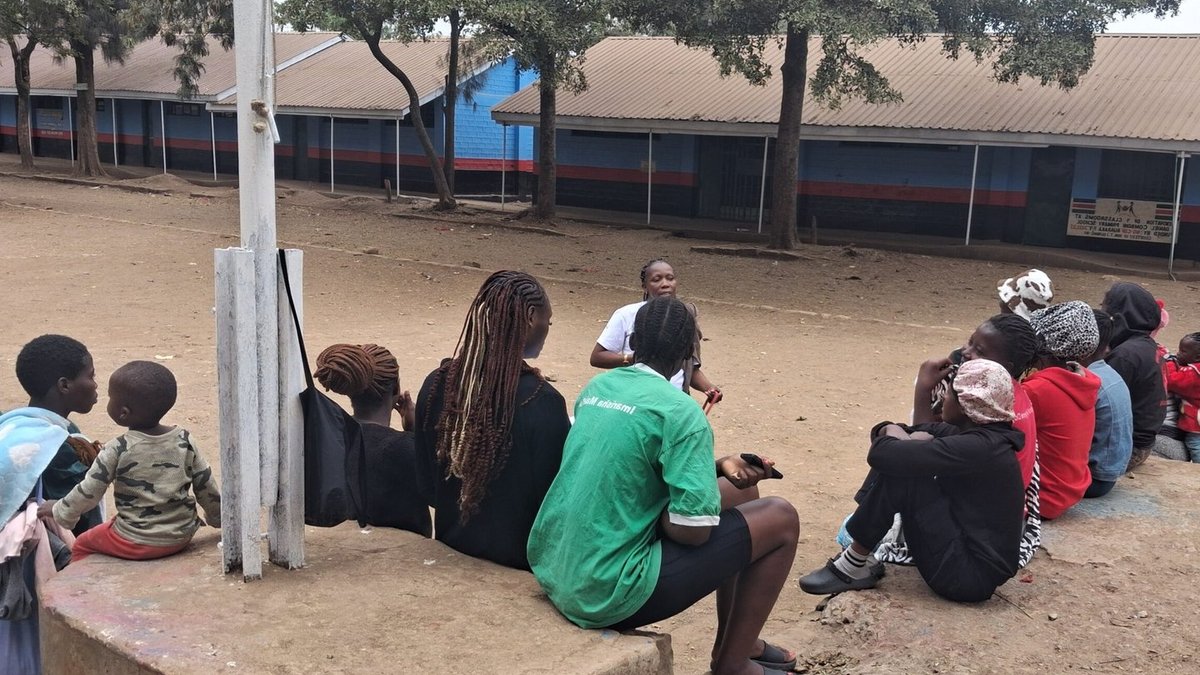
Miss Koch Kenya offers a different path through community-based safe spaces. The organisation partners with local facilities, including Daniel Comboni Primary School and the Kariobangi Health Centre, to host weekly sessions. Girls meet every Saturday for about two hours to discuss their challenges, share experiences, and engage in activities like music and dance. Programme Officer Mary Oliech noted that the environment provides freedom for participants to be themselves without constant instruction.
Peer mentors play a central role in the programme. Trained girls guide younger members through group discussions and training sessions under the supervision of Miss Koch Kenya staff. This mentorship structure empowers participants to take on leadership roles, helping them build confidence and speak out against the stigma they face. Mary Oliech explained that hygiene and cleanliness are foundational, often starting with teaching girls how to care for themselves and their infants.
A study by the African Population and Health Research Center (APHFC), Miss Koch Kenya, and Nairobi County surveyed 594 pregnant and parenting adolescents in Korogocho. It found that 25.3% reported moderate or severe depressive symptoms. The research highlighted common struggles including stigma, isolation, distress, and financial hardship. The study also identified childcare worries and difficulties obtaining birth certificates as persistent barriers.
Miss Koch Kenya has four locations within public facilities across the city. The organisation works with pregnant adolescents and young mothers whose children are up to three years old. Community health promoters help identify and refer participants, while others join through friends. To date, approximately 200 adolescents have taken part in the programme.
Life skills and financial literacy form another key pillar of the support system. Sessions cover personal hygiene, sexual and reproductive health and rights, gender-based violence, nutrition, positive parenting, and leadership. Participants also learn to save money through a rotational contribution system. They contribute KSh 20 (US$ 0.15) every Saturday and divide the funds to cover essential needs, such as sanitary pads and diapers.
Low-Cost Daycare Centers
The programme operates two daycare centres, one at Daniel Comboni Primary School and another in a private school. These centres care for 67 children, including those of teenage mothers and other community members. Parents pay KSh 5 (US$ 0.04) per day at the public facility and KSh 20 (US$ 0.15) per day at the private one, rates significantly lower than the standard KSh 100 (US$ 0.77) daily fee.
Despite these services, returning to school remains difficult for many. Mary Oliech noted that teachers often use teenage mothers as examples, discouraging their peers from similar paths. Shame drives many to drop out or change schools entirely. The organisation also addresses gender-based violence, which some girls face when they become financially independent or leave abusive partners.
Miss Koch Kenya’s Chief Executive, Emmie Erondanga, observed that many perpetrators of teenage pregnancy are peers rather than older men. In response, the organisation is developing a programme for young fathers. Erondanga emphasised the need for multi-stakeholder collaboration to expand this support.
Rebuilding Confidence Through Mentorship
Belonce, 17 and a peer mentor at Daniel Comboni Primary School, credits the sessions with helping her rebuild her relationship with her two-year-old son. She stopped breastfeeding at one point, believing she had disappointed others. The counselling helped her overcome the fear of talking to people and improved her confidence. Belonce explained that the girls in her group elected her as a mentor because they have seen her growth.
Supporting young fathers
The programme targets young fathers as well. Miss Koch Kenya is creating a specific initiative for this group. Emmie Erondanga leads the organisation and notes that the partners involved are often peers. Many teenage boys father children with their friends. The organisation believes these young men need guidance to understand their responsibilities.
Erondanga explained that society often blames the girls. She argues that the boys also require support to change their behaviour. The organisation aims to engage these young fathers to prevent further pregnancies. They want to ensure both parents understand the impact of their actions.
Mary Oliech described this issue in detail. High poverty levels in Korogocho force some mothers to stay with their children’s fathers. The fathers feel the girls have gained power. They then take out their frustrations on the mothers.
Addressing Gender-Based Violence
Violence often occurs when a girl leaves an abusive partner. The programme addresses this risk. It helps mothers work through the dangers of financial dependence. They learn to protect themselves and their children from harm.
Mentor Selection, Training and Expanded Support Services
Mentors are chosen by the girls themselves, then receive specialised training to manage a range of issues. After training, they lead group discussions and conduct peer-to-peer sessions, while Miss Koch provides overall supervision. The programme emphasises leadership development, encouraging girls to speak out and challenge stigma within their communities.


