
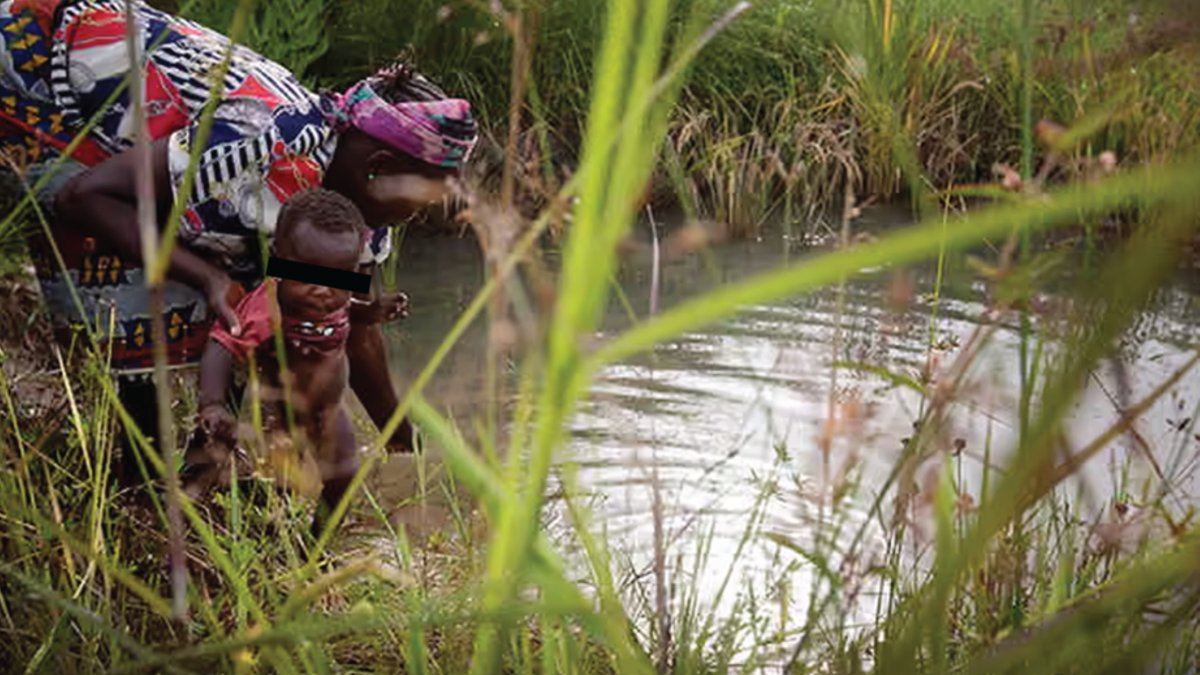
A recent policy dialogue in Kaduna highlighted ongoing challenges in the fight against river blindness, also known as onchocerciasis. The event, organized by Nigeria Health Watch and the Kaduna State Ministry of Health, brought attention to the difficulties of reaching all eligible residents for treatment.
River blindness is caused by a parasite transmitted through the bites of infected blackflies. These flies breed in fast-flowing rivers. The disease can lead to severe itching, skin disease, and permanent blindness. Regular treatment with ivermectin is effective in preventing these outcomes and interrupting transmission.
The Challenge of Reaching Everyone
One major issue is that community drug distributors often arrive during the farming season when many residents are away working. This means people willing to take the treatment miss the opportunity. The dialogue, part of the Bridging Borders, Breaking Blindness project funded by the Global Institute for Disease Elimination (GLIDE), questioned whether programs have truly made it possible for people to participate.
In targeted communities, eligible residents include adults and children who meet a minimum size requirement (at least 90 cm tall or roughly 15 kg). However, pregnant women, breastfeeding mothers in the first week after childbirth, and seriously ill individuals are excluded from treatment under WHO guidelines.
Strengthening Systems for Sustained Treatment
Transparent payment systems are key for supporting those responsible for delivering treatment. Agencies must verify outstanding claims and clarify agreed rates and payment timelines. Drug distributors require training, supervision, and travel resources to reach settlements effectively. Relying on volunteers to cover these costs hinders equitable treatment coverage.
Integrating neglected tropical disease (NTD) services into primary healthcare facilities is proposed, with designated focal persons, staff training, and routine supervision. This would provide residents a place to report missed visits or seek help between campaigns. State and local government teams should clarify how complaints at health centers lead to community follow-up.
Funding must cover laboratory work, follow-up, and field visits to gather evidence for treatment decisions. Federal and state authorities should publish assessment methods, findings, and reasons for decisions, explaining implications to affected communities. Cross-border surveillance coordination with neighboring states is also essential to monitor blackfly movement.
Knowledge vs. Willingness
A 2026 baseline assessment by the project revealed interesting findings. Among 917 respondents in selected communities in Kachia, Kagarko, and Lere, 48.7% had adequate knowledge about river blindness, while 90.6% said they would definitely take ivermectin. This suggests that willingness to take treatment is not the main issue, but rather the ability to access it.
Dr. Sadiq Abubakar, Director of Public Health at the Kaduna State Ministry of Health, emphasized the consequences of untreated cases: “Behind every untreated eligible person is a community that will still remain at risk.”
After nearly three decades of annual ivermectin distribution, Kaduna had interrupted transmission and stopped mass treatment in 2018. However, recent assessments detected transmission in Kachia and Kagarko, highlighting the need for continued vigilance.
To rebuild participation, program managers must explain why treatment is necessary again, even for those who feel well. They should involve community leaders and residents in shaping distribution plans, ensuring return visits, and providing opportunities for questions.
Related Post: 4 Simple Ways To Improve Your Oral Health
A representative from a community-based advocacy hub stressed the importance of community involvement: “We don’t just go into the community and tell them what we have, but we allow them to tell us what they know about river blindness and how it is caused and prevented.”
Sustaining progress against river blindness requires stronger domestic financing and greater government ownership. While external funding can help, it cannot replace predictable government resources for routine costs. The dialogue proposed a dedicated provision for neglected tropical diseases (NTDs) in Kaduna’s 2027 budget, alongside contributions from local governments.
Ensuring drug distributors receive proper support is essential. Transparent payment systems, training, supervision, and travel resources are key to sustained and equitable treatment coverage.
Kaduna also needs funding to determine when treatment can safely end. This involves blackfly testing, antibody testing in children, and ongoing surveillance. The cost of gathering this evidence must be addressed in budget discussions.
Before the next treatment round, the state and local governments should publish agreed actions, responsible institutions, and funding arrangements. This transparency will help ensure missed communities are reached and progress continues.
Involving community leaders and residents in planning is vital. Traditional leaders, imams, and church leaders can identify missed households and raise concerns with health officials.
Women, farmers, people with disabilities, and displaced households should contribute to planning distribution dates, return visits, and providing spaces for questions about the medicines.
Kaduna’s next treatment round will show if these measures improve the experience for residents, especially those who previously missed treatment due to timing or resources.
This collaborative approach prevents disease reintroduction.
For farmers who missed treatment, the solution starts with a return visit scheduled at a community-agreed time. Distributors should have necessary resources, including transport costs and agreed allowances covered. Kaduna’s next treatment round will test if the dialogue has led to tangible improvements.


