
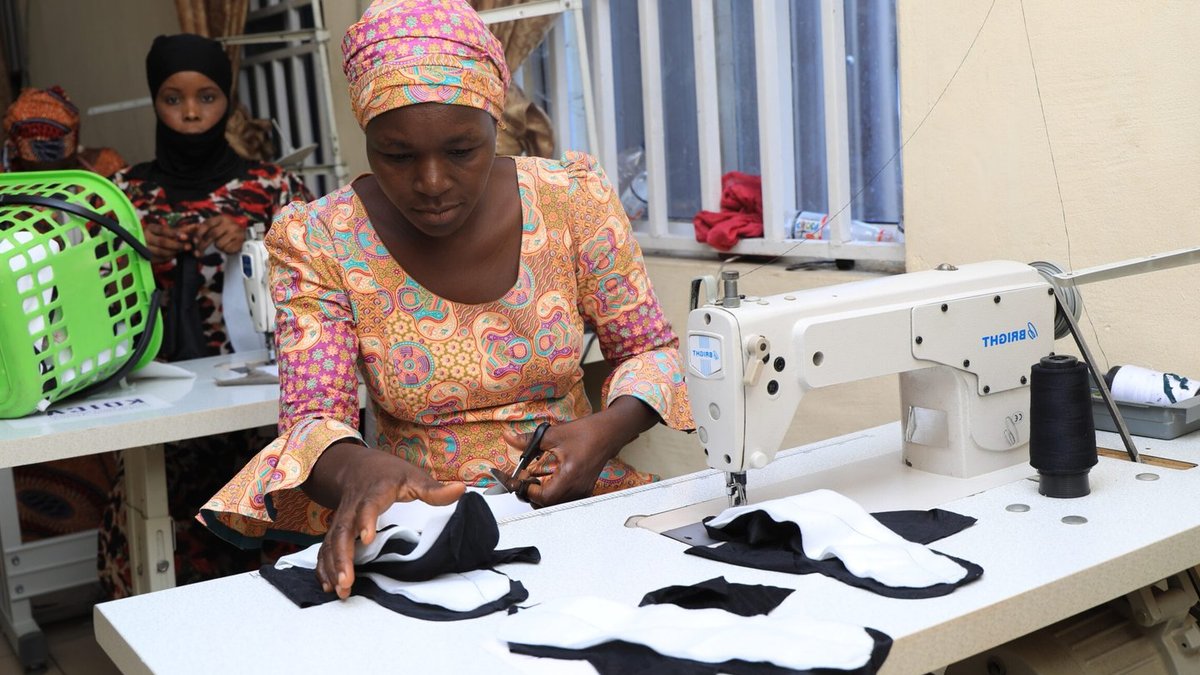
Funding cuts to women-led organizations are putting critical support systems for women and girls at risk, according to a recent UN Women report. The study highlights a growing gap between the needs of vulnerable populations and the resources available to help them.
In Nigeria, the Her Voice Foundation has provided educational opportunities for 7,000 girls affected by child marriage or pregnancy, offering them a second chance to return to school, gain skills, and build economic independence. However, founder Favour Abatang warns that funding shortages now threaten this program, leaving beneficiaries vulnerable and at risk of losing empowerment opportunities.
A Global Crisis
The UN report, titled Beyond the Breaking Point, reveals that 84% of 855 women-led and women’s rights organizations across 52 countries have seen increased demand for their services since January 2025. Despite this, many are struggling to survive. Funding reductions have severe consequences, with 135 organizations losing between $25,000 and $75,000 in 2025, forcing some to turn away survivors of gender-based violence. 62% of respondents reported cutbacks to Women and Girls’ Safe Spaces (WGSS), with two such facilities closing in Nigeria alone, leaving an estimated 600 women and girls without access to essential services.
The impact extends beyond immediate services. 92% of organizations noted rising poverty among the women they serve, while 82% saw increased school dropouts among girls, and 86% reported rising gender-based violence. These trends are closely linked to shrinking livelihood, education, and protection services, leaving women and girls more economically vulnerable and at greater risk of exploitation, stigma, and child marriage.
Undermining Progress
The funding crisis also hinders long-term gender equality efforts. 58% of surveyed organizations observed reduced participation of women and girls in community decision-making, and 21% had to pause or abandon longer-term gender equality initiatives. Additionally, 31% reported a diminished capacity to influence and advocate for women’s rights, further slowing progress toward gender equality.
Read Also: Nigeria’s Aging Population Faces Care Challenges Amid Policy Gaps
Abatang notes that funding cuts affect her organization’s strategy and mission, with staff experiencing burnout and struggling with uncompetitive pay. She highlights the broader implications of the crisis, stating, “Feminist work is important work. Yet we are saying that we do not want to put our money where our mouth is. If we have international convenings every year to discuss these issues, then where is the funding? We are indirectly saying that issues such as child marriage and female genital mutilation are not significant.” The reduction in funding also impacts research and documentation, as organizations historically responsible for collecting data and documenting experiences are forced to scale back or discontinue this work, threatening valuable records of challenges and solutions.
The report calls for urgent action, including protecting essential services, preventing organizational closures, and reforming funding systems. It advocates for flexible, predictable, and multi-year financing to enable better planning and responsiveness to community needs. International donors and governments must transform their partnerships with local organizations, ensuring adequate and sustained funding for these vital services.
The UN Women report and the UN-Wide Funding Framework emphasize the need for governments to take greater responsibility for funding services previously supported by donors. Sustained domestic investment and coordinated donor transitions are essential to protect these services and maintain progress toward gender equality. Globally, 45% of women-focused organizations have six months or less of operational funding remaining, with 41% considering suspension or closure within the next year, highlighting the urgency of addressing this crisis.
A Call for Transformative Action
This includes providing adequate funding and ensuring resources are sustained, rather than relying on short-term projects. Health sovereignty requires governments to take greater responsibility for funding services, ensuring sustained domestic investment and coordinated donor transitions.


