
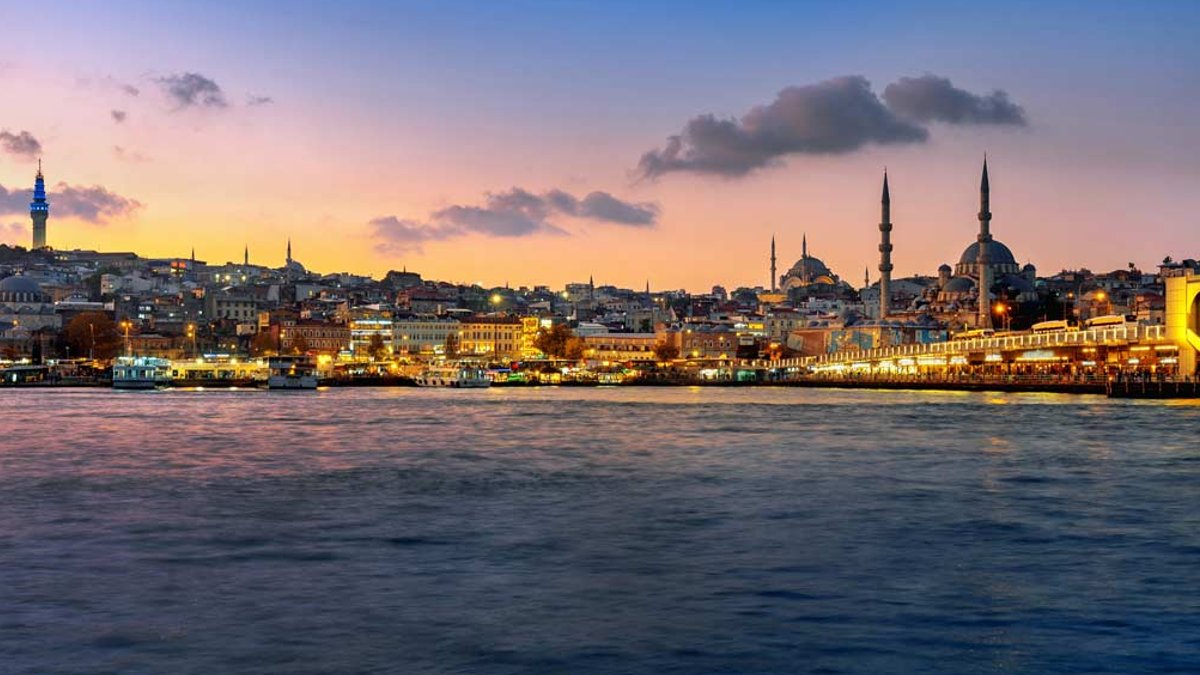
Türkiye stands out as a notable destination for global healthcare seekers, situated at the intersection of Europe, Asia, and the Middle East, offering expertise, advanced treatments, and quality care to an increasing number of international patients.
The country combines modern healthcare infrastructure, specialized medical expertise, technological innovation, and a thorough approach to patient experience. Over the past two decades, significant investments have transformed its healthcare sector.
Beyond Medical Tourism
Türkiye’s international reputation once centered on cosmetic surgery, dental treatments, and hair transplantation. These specialties introduced the country to medical travelers and fueled its early medical tourism industry.
Today, Turkish hospitals offer advanced services in cardiovascular medicine, oncology, organ transplantation, neurosurgery, orthopedics, reproductive medicine, and more. This evolution positions Türkiye as a destination for specialized healthcare, not just elective procedures.
Modern Facilities, Integrated Care
Cities like Istanbul, Ankara, Izmir, and Antalya feature hospitals with advanced infrastructure. These facilities support sophisticated procedures with hybrid surgical suites, intensive care units, modern imaging departments, and specialized treatment centers.
Many hospitals have adopted multidisciplinary models of care, bringing together different specialties to support the management of complex medical conditions. For example, cancer treatment requires coordination among oncologists, surgeons, radiologists, and pathologists. Similarly, cardiovascular patients benefit from integrated teams of cardiologists, surgeons, and imaging specialists.
Large-scale healthcare campuses have further expanded specialized care options. Alongside these, private hospital groups and university medical centers continue to play important roles in delivering advanced healthcare services and developing clinical expertise.
Expertise and Innovation
Medical excellence relies on the people delivering care. Türkiye’s healthcare sector is supported by a network of medical schools, university hospitals, specialist training institutions, and research centers.
Turkish physicians often have international connections through fellowships, training programs, and collaborations. This exchange of knowledge contributes to specialized expertise and the adoption of evolving medical practices.
In cardiovascular medicine, Turkish centers offer complex cardiac surgery, interventional cardiology, electrophysiology, and advanced imaging. Oncology services include multidisciplinary approaches with personalized diagnostic and therapeutic strategies.
Other specialties with dedicated programs include transplantation, orthopedic surgery, neurosciences, fertility medicine, and minimally invasive procedures.
Innovation is another key feature. Robotic-assisted surgery, for instance, is available in selected hospitals for urology, gynecology, and general surgery. Advanced diagnostic imaging, interventional radiology, and digital healthcare systems further enhance care delivery.
Related Post: Tunisia Hosts Global Telehealth Summit to Boost Digital Health
Electronic medical records, telemedicine, and digital imaging platforms improve communication and care coordination. For international patients, these technologies enable remote consultations, pre-travel record reviews, and post-discharge follow-up from home.
A Regional and Global Destination
Türkiye’s appeal extends beyond its modern facilities. For patients from the Middle East and Gulf Cooperation Council countries, geographical proximity, cultural familiarity, and extensive air connections make travel convenient.
Many hospitals have multilingual departments with Arabic-speaking coordinators and interpreters. Cultural considerations, such as family accommodation and dietary preferences, are also addressed to create a supportive environment.
Globally, Türkiye’s location provides access to patients from Europe, Central Asia, the Balkans, North Africa, and beyond. Its healthcare offering spans multiple specialties, attracting patients seeking specialized services, specific physicians, or shorter waiting periods.
Dedicated international patient departments in many Turkish hospitals coordinate appointments, assist with documentation, provide interpretation, and support patients throughout their stay. This thorough approach aims to make the healthcare journey more organized and less stressful.
For major surgeries or complex treatments, pre-arrival communication, coordinated in-hospital services, and post-discharge follow-up are critical. Long-term outcomes often depend on rehabilitation, medication management, and continued communication with healthcare providers in the patient’s home country.
Supporting International Patients
Turkish hospitals have established dedicated departments to assist international patients, addressing the unique challenges they face. These teams streamline the process, from pre-travel arrangements to post-discharge care. They coordinate medical appointments, handle documentation, and provide interpretation services, ensuring a smoother experience for patients and their families.
This support is particularly vital for those undergoing major procedures or complex treatments. Pre-arrival communication allows medical teams to assess patient needs and plan accordingly. During their stay, coordinated services help patients understand their treatment and communicate effectively with healthcare providers. After discharge, clear instructions and follow-up arrangements are key for long-term care, especially when patients return home.
Quality, Safety, and Value
As international healthcare travel grows, patients increasingly focus on quality standards and accreditation. Türkiye has strengthened its regulatory framework for health tourism, with new requirements for authorization, service standards, and oversight.
Accreditation provides useful information but should be part of a broader assessment that includes physician qualifications, clinical outcomes, infection prevention, and complication management. Transparency about procedures, risks, recovery, and costs is equally important.
While Türkiye offers competitive pricing for some procedures, its value proposition goes beyond cost. Patients consider access to specialized physicians, modern facilities, advanced diagnostics, coordinated care, and a well-organized treatment experience.
The country’s hospitality and tourism infrastructure further supports its appeal. Cities like Istanbul, Antalya, and Izmir offer diverse environments, making navigation easier for patients and their families.