
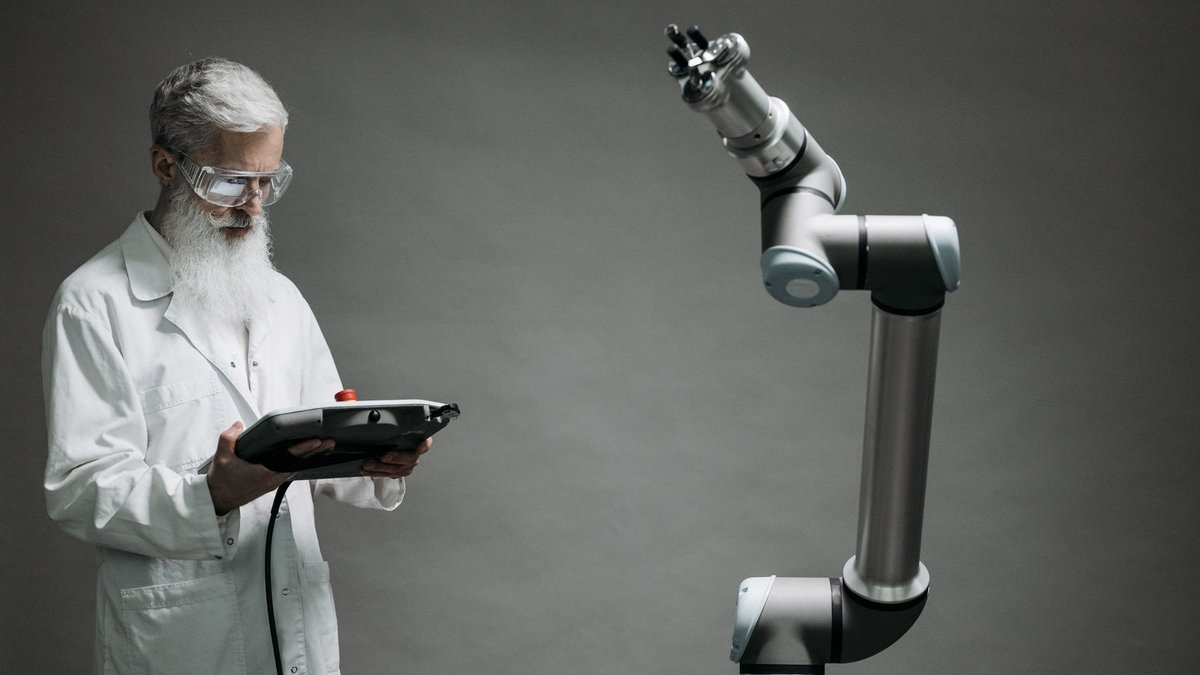
The LAU Robotic Surgery Program at LAU Medical Center–Rizk Hospital combines expert surgeons, robotic technology, and a coordinated care team to deliver minimally invasive surgery. This approach prioritizes patient-specific treatment plans over simply adopting new tools. The program emphasizes responsible use of the da Vinci Xi system, ensuring technology serves clinical needs rather than driving them.
Advanced Robotic Capabilities
The da Vinci Xi system enables detailed, minimally invasive procedures through three-dimensional magnification and articulated instruments. Firefly fluorescence imaging enhances visualization of blood vessels and bile ducts during surgery. Integrated table motion allows patient repositioning mid-procedure, critical for multi-region surgeries.
These features matter in surgeries requiring millimeter precision near vital structures. The system’s enhanced visibility and control support careful dissection around nerves and organs. For suitable patients, robotic assistance may reduce incision size and improve recovery, though the surgeon remains in full control of every decision and movement.
Surgeons with Specialized Expertise
The program’s physicians bring international training and focused experience. Pr. Eddie K. Abdalla, American-trained and board-certified in surgical oncology, specializes in liver, pancreas, and bile duct cancers. Abdalla’s work demands handling complex anatomy while preserving critical structures.
In gynecologic surgery, Dr. Bassel Abouzeid and Dr. Elias Abi Khalil offer complementary skills. Both are certified in minimally invasive and robotic techniques, with Dr. Abouzeid focusing on endometriosis and fertility preservation, and Dr. Abi Khalil emphasizing complex fibroid and endometriosis cases. Their approach starts with patient goals, tailoring treatment plans to individual needs.
Dr. Malek Meskawi, dual board-certified in urology, performs robotic procedures for prostate, kidney, and bladder cancers. His expertise includes preserving function during cancer surgery and training global colleagues in robotic techniques through proctoring.
Coordinated Patient-Centered Care
Care begins long before surgery. Physicians assess diagnoses, weigh robotic versus open options, and select approaches based on evidence and patient circumstances. Multidisciplinary collaboration within the medical center ensures specialists consult on overlapping cases.
Anesthesia teams, nurses, and support staff contribute to safety throughout the process. Post-operative care tracks recovery, addresses complications, and manages follow-up steps. This continuity connects technology, expertise, and compassionate support across the entire patient journey.
Academic Mission Beyond the Operating Room
The program extends its impact through education. Surgeons teach, train, and mentor peers in robotic techniques, supporting critical evaluation of new technologies. This culture prioritizes safety and evidence over automatic adoption, ensuring innovations enhance care meaningfully.
For Lebanese patients, the program brings advanced surgery closer to home. Local physicians combine international credentials with hands-on experience, remaining accessible throughout treatment. This builds on the hospital’s history of clinical excellence and patient-focused care.
While robotic surgery’s capabilities attract attention, its true value lies in the expertise guiding it. At LAU Medical Center–Rizk Hospital, precision stems from skilled surgeons, safety from thoughtful judgment, and every advancement centers on the patient’s well-being.
Program Philosophy: Technology in Service of People
The LAU Robotic Surgery Program illustrates how advanced tools can enhance, not replace, human expertise. By integrating the da Vinci Xi system with a multidisciplinary team, the program offers patients access to cutting-edge surgery tailored to their unique health needs. This model reflects a broader commitment to combining technological innovation with the irreplaceable role of skilled physicians and compassionate care teams.


