
Permanent daylight saving time is back in the national conversation, a move that could reshape the daily schedule for millions of runners across the United States.
Legislative push and the basic trade‑off
The House passed the Sunshine Protection Act on Tuesday with a 308–117 vote. The legislation would make daylight saving time permanent, eliminating the twice‑yearly clock changes that currently occur in March and November. The bill still requires Senate approval before it can reach the president’s desk.
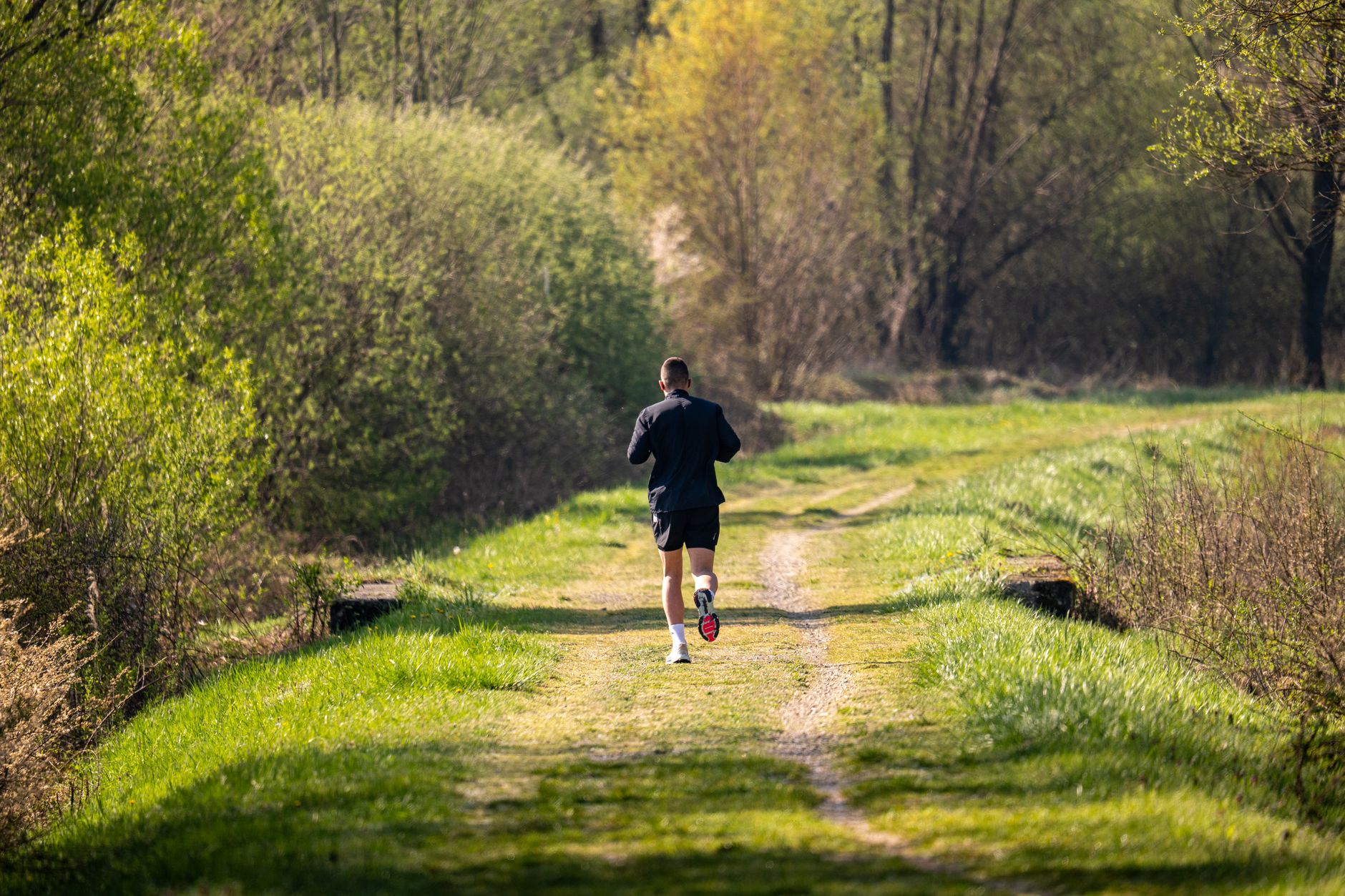
For the running community, the change presents a clear split. Evening miles would benefit from extended daylight, while early‑morning runs would become darker. The shift could be especially welcome for those who lace up after work, as winter evenings would stay brighter later, providing more natural light for post‑work miles, track workouts, or the run they always promise themselves after logging off.
Morning runners, on the other hand, would see sunrise pushed an hour later in winter. AccuWeather projects that on January 15, sunrise would occur after 8 a.m. in cities such as Miami, Boston and Kansas City, with Billings, Montana, nearing 9 a.m.
Health considerations and past attempts
Light exposure is a major regulator of the body’s circadian rhythm, according to Dr. Steven Zorn of the Iowa Sleep Center. He has warned that the body may need “about a week, or even two, for the body to feel normal” after the spring forward change. During that adjustment period, coordination and concentration can suffer, while irritability and forgetfulness may rise.
“The most important thing is to have one time and keep it,” Dr. Zorn advised, highlighting the challenge of adapting to a permanent shift.
Related: New Speed Workout Tweak Boosts Finish Strength
The American Academy of Sleep Medicine has endorsed ending seasonal clock changes but prefers permanent standard time over permanent daylight saving time. The organization argues that standard time aligns better with human circadian biology, whereas the shift into daylight saving time has been linked to health and safety concerns.
Historically, the United States experimented with year‑round daylight saving time during the 1974 energy crisis. The trial was short‑lived; dark winter mornings proved problematic, prompting Congress to revert to the seasonal system later that year.
Implications for runners
If the bill becomes law, evening joggers may finally enjoy the daylight they have long requested, while those who rise before dawn will need to adjust to darker mornings. The adjustment could be especially pronounced for athletes who rely on precise timing for performance and recovery.
What’s next for runners?
Clocks will still fall back on November 1, and daily alarms remain unchanged. The Sunshine Protection Act must still clear the Senate and secure presidential approval before any permanent shift occurs.
Should the legislation pass, the most immediate beneficiaries will likely be those who train after work, gaining extra daylight for their evening sessions. Morning runners will need to adapt to later sunrise, potentially adjusting their sleep cycles or training with appropriate gear.
As the debate unfolds, the running community will watch closely, weighing the convenience of brighter evenings against the challenges of darker mornings.