
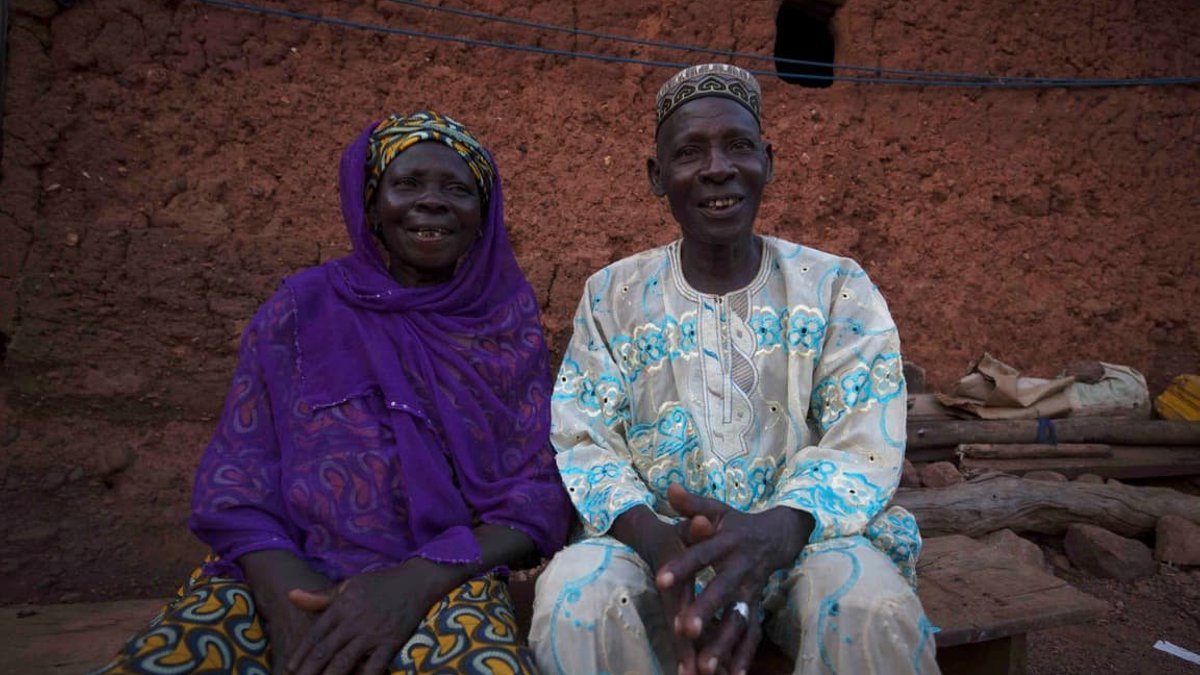
Nigeria‘s life expectancy ranks among the lowest globally, yet its population is ageing. The global population aged 60 or over is projected to rise from approximately 1.22 billion in 2025 to more than 2.1 billion by 2050, a transformation that is most pronounced in developing regions.
The United Nations has designated the theme for the International Day of Older Persons in 2026 as “The Age of Longevity: Rethinking Systems for Longer Lives”, urging global adaptation to ensure healthy, productive, and dignified ageing.
Nigeria is home to 14.8 million people aged 60 and above, according to the NBS Nigeria Living Standards Survey (NLSS) 2018/19. Of these, 5.3 million live in urban centres, while 9.5 million reside in rural areas. World Bank data, using an age bracket of 65 and above, estimated Nigeria’s older population at approximately 6.5 million in 2022.
While Nigeria has established policies like the National Policy on Ageing and the National Senior Citizens Centre Act, their implementation remains inadequate. The Madrid International Plan of Action on Ageing (2002) has further shaped the global approach to ageing, emphasizing inclusion, dignity, and participation of older persons in societal development.
In 2023, President Tinubu allocated 10% of social safety-net funds for older citizens, a commitment yet to be fulfilled. The Renewed Hope Initiative Elderly Support Scheme, led by First Lady Oluremi Tinubu, provides annual direct cash and welfare assistance but reaches only a fraction of the elderly population.
The National Senior Citizens Centre is not a building dedicated to a particular activity, nor is it a facility, or a place where an older person could go for company, a meal, or a health check. A review of the NSCC’s mandate shows that it is a federal coordinating and policy body responsible for the essential work of identifying the needs of older people, managing data, developing strategies, and coordinating with other agencies.
The Older Persons Rights Bill, 2025, aims to provide health and economic support. An earlier version passed both chambers of the 9th National Assembly but stalled without presidential assent. Its reintroduction in 2025 and subsequent public hearing in November 2025 signify progress, but enactment remains pending.
Established by the UN in 1990, this observance promotes inclusion and dignity of older persons, shaped by the Madrid Plan. It shows the need for societal adjustments to support ageing populations, particularly in developing regions where families and communities may no longer suffice as sole caregivers.
The National Assembly should advance the Older Persons Rights Bill, 2025 (HB 2098), towards enactment. Its passage would mark a significant step in securing the rights and wellbeing of older Nigerians, addressing health, economic, and social needs.


