
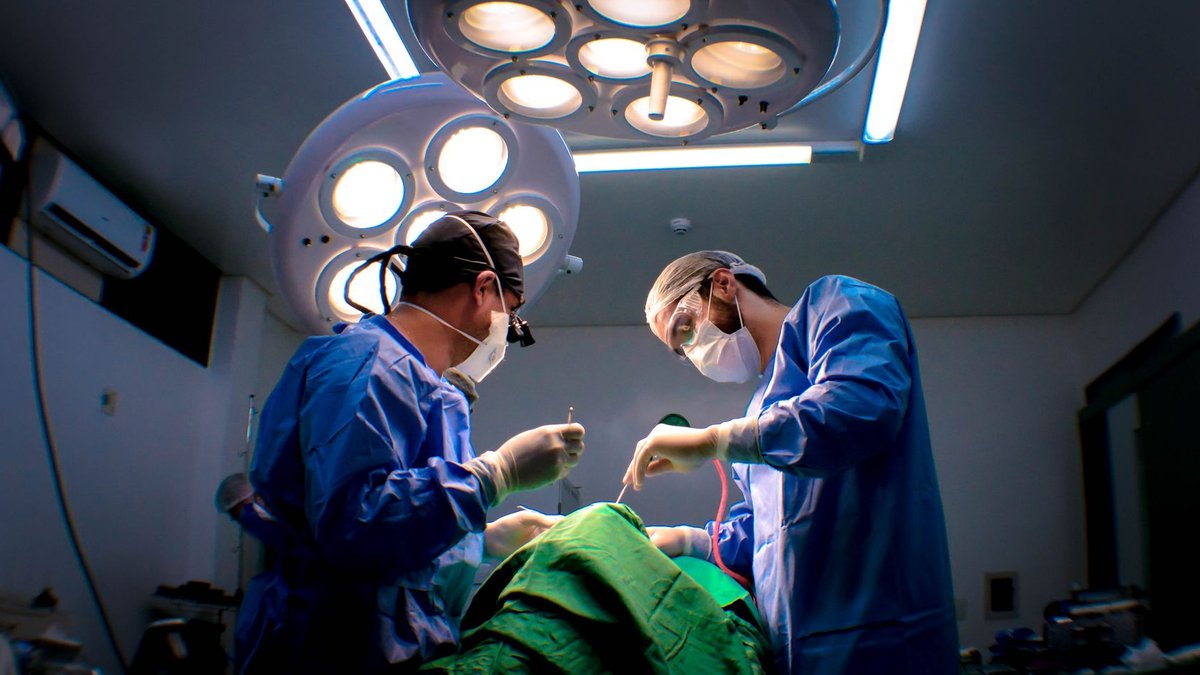
A new surgical approach at UCLA Health aims to diagnose and treat early-stage lung cancer in a single operating room session. This method combines diagnosis, staging, tumor localization, and treatment, reducing the process to a few hours for select patients. By integrating these steps, the approach minimizes the traditional delays that can span several weeks or months, during which patients often undergo multiple procedures.
The Problem With Delays
Traditionally, patients face a lengthy journey from diagnosis to treatment, often spanning weeks or months. Dr. Bryan Burt, professor and chief of thoracic surgery at UCLA, notes that delays can worsen outcomes. A UCLA study found that intervals exceeding eight weeks between identifying a suspicious nodule and surgery led to lower survival rates and higher recurrence. In this study, the median time from identification of a suspicious nodule to surgery was 57 days, highlighting the urgency of addressing these delays. The prolonged wait times not only increase anxiety but also allow the cancer to potentially progress, complicating treatment.
The new approach eliminates unnecessary delays, bringing multiple steps together. Dr. Reza Ronaghi, an interventional pulmonologist, explains that patients often need to see different physicians for biopsy, staging, and treatment, with each step taking weeks. This fragmentation in care can lead to increased stress and logistical challenges for patients. By consolidating these steps into one episode of care, the approach streamlines the process, reducing both the emotional and physical burden on patients.
The Single-Session Procedure
The procedure begins with robotic bronchoscopy to biopsy and evaluate a suspicious lung nodule in real time. This technology allows for precise navigation within the lung’s airways, ensuring accurate sampling of the nodule. Next, endobronchial ultrasound (EBUS) is used to biopsy lymph nodes, determining if the cancer has spread. This step is key for staging the cancer and planning the appropriate treatment. A small marker is then placed near the nodule to aid precise tumor localization during surgery, enhancing the surgeon’s ability to target the lesion accurately. If early-stage cancer is confirmed, robotic resection removes the tumor, leveraging advanced surgical techniques to minimize tissue damage and recovery time.
This approach offers a significant patient experience benefit. Dr. Burt highlights the anxiety reduction from avoiding prolonged waits between scans, biopsies, staging, and treatment. The consolidation of these steps into a single session not only saves time but also reduces the psychological toll of uncertainty. Dr. Ronaghi adds that patients can wake up diagnosed and treated, with only minimal incisions from the minimally invasive procedure. This efficiency and minimal invasiveness contribute to quicker recovery times and improved overall patient satisfaction.
Eligibility and Precision Care
Not all patients are eligible for this approach. Candidates are carefully selected based on imaging and clinical information, ensuring that the procedure aligns with their specific needs. They first meet with specialists, undergo imaging, and receive preoperative evaluations to determine their suitability. The procedure does not guarantee surgery, as not every patient requires all four steps, emphasizing the personalized nature of the approach.
This method exemplifies precision medicine in lung cancer care. Dr. Burt explains that tumor sequencing and biomarkers help tailor treatments to individual patients, allowing for more effective and targeted interventions. Advances in robotic technology enable the combination of procedures while maintaining minimal invasiveness, marking a significant leap forward in surgical innovation.
Looking Ahead
The approach’s potential lies in its tangible impact on patients. By adopting new technologies, UCLA Health aims to improve care in ways patients directly experience. Dr. Ronaghi emphasizes that robotic advancements allow for combining procedures without increasing invasiveness, paving the way for more efficient and patient-friendly treatments. This integration of technology and clinical expertise sets a new standard for lung cancer care.