
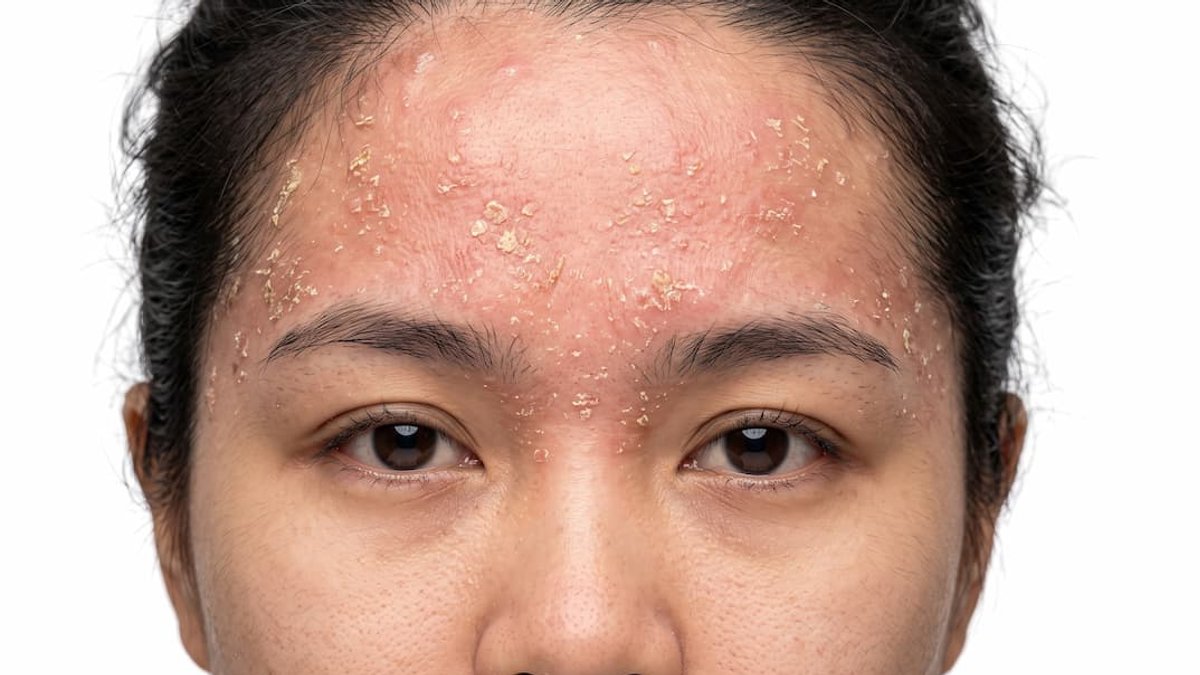
A growing movement among dermatologists is challenging the standard reliance on antifungal medications to treat seborrheic dermatitis. As drug resistance becomes a broader concern, medical professionals argue that shifting toward anti-inflammatory therapies as a first-line treatment could be more effective and safer for patients.
John S. Barbieri, a specialist at the Mass General Brigham health system, suggests that the belief that this skin condition requires antifungal intervention is a common misconception. The physician explains that the disorder is not an infection caused by fungi, meaning antimicrobial treatments are not strictly necessary to manage symptoms.
The argument for this reorientation was detailed in a recent viewpoint article. The report frames the condition as a combination of skin barrier dysfunction and colonization by Malassezia yeast, rather than a pathogen that must be eradicated.
By prioritizing inflammation control, doctors may avoid contributing to the rise of resistant fungal strains. This approach forces a re-evaluation of medical habits that have often relied on older, antifungal-heavy protocols. Moving toward anti-inflammatory standards of care could limit unnecessary exposure to antimicrobials while providing patients with more targeted relief.
Clinical practice often relies on topical steroids, calcineurin inhibitors like tacrolimus, or roflumilast, which is marketed as Zoryve. Barbieri notes that roflumilast is currently the only therapy with explicit FDA approval for this specific condition.
Medical progress continues as the options for various ailments.
Related: FDA approves new drug for rare bone disease
Data from a meta-analysis published last year indicates that the global prevalence of the condition is 4.38%, with the rate in the United States reaching 5.86%. The prevalence tends to climb after puberty, a period when sebaceous glands become more active and increase sebum secretion.
For most patients, the condition manifests as yellow or white greasy plaques accompanied by erythema. Barbieri typically uses topical calcineurin inhibitors for facial areas, while reserving steroid foams or oils for the scalp.
While some guidelines still list antifungal creams as a standard option, the push to prioritize anti-inflammatory agents reflects a trend of questioning long-held dermatological habits.
Future clinical trials will likely determine if these anti-inflammatory protocols become the universal standard.
Clinicians are now observing patient outcomes closely to verify the efficacy of these non-antifungal regimens. The shift away from traditional methods demonstrates an interest in modernizing care. By reducing the frequency of antimicrobial usage, dermatologists aim to improve long-term patient health and minimize potential side effects associated with prolonged use of chemical treatments. The medical community continues to monitor these developments to refine treatment paths for everyone struggling with persistent skin inflammation.


