
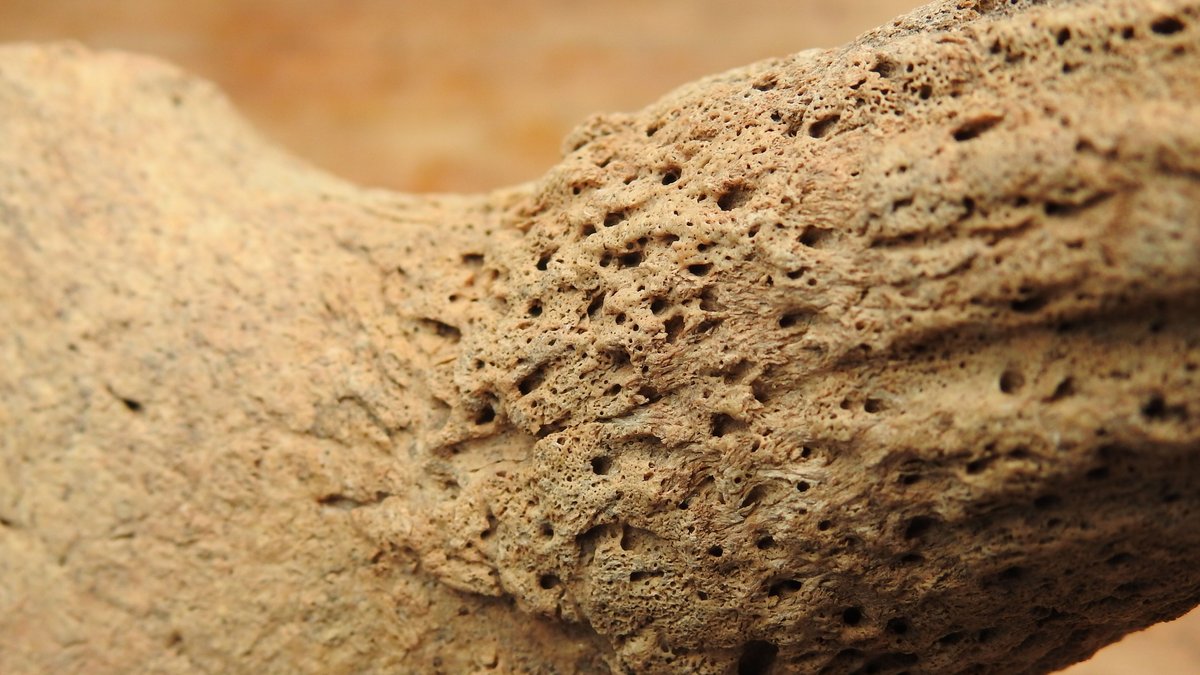
The Food and Drug Administration approved Pasatru (garetosmab-grts), a new treatment for adults with fibrodysplasia ossificans progressiva (FOP), a rare genetic disorder causing soft tissue to turn into bone.
A devastating ultra-rare disease
FOP is an ultra-rare genetic disease that transforms the body’s soft tissue into bone. It affects about 900 people worldwide. Most patients will require a wheelchair by the age of 30, and life expectancy is about 56 years.
Pasatru, created by Regeneron, is a human monoclonal antibody that blocks Activin A, a protein critical in the development of heterotopic ossification (HO) lesions in people with FOP. In studies of mice, inhibition of Activin A prevented HO.
Trial results and pricing
The FDA’s approval was based on efficacy and safety data from the phase 3 OPTIMA trial evaluating Pasatru in 63 adults with FOP. At 56 weeks, both doses of Pasatru reduced the total number of new HO lesions compared with placebo. Additionally, the number of clinician-assessed flare-ups, a key secondary endpoint, was also reduced. But changes in the proportion of patients with patient-reported flare-ups through week 56 were not significantly different between placebo and Pasatru treatment groups.
Pasatru is available in two doses and given intravenously every four weeks. It will be available within a few days and have an annual list price of $1.4 million based on dosing a patient of the average weight in the trial at 10 mg/kg dosing. Given the 3 mg/kg dosing option and varying patient weights, the company expects an annual list pricing range at launch of $693,000 to $2.1 million.
A Regeneron spokesperson said the price reflects the significance of this milestone for the community, alongside decades of scientific research, development, and investment. Regeneron offers patient support programs that provide resources for patients and healthcare providers, including product information, insurance benefit verification, and information about potential financial support.
Related: Public weighs in on opioid funds and work rules
Pasatru is the second treatment approved by the FDA for FOP. Ipsen’s Sohonos (palovarotene) was approved in August 2023 to reduce new abnormal bone formation in people living with FOP. Sohonos is indicated to treat girls 8 years of age and older and boys 10 years of age or older. When Sohonos launched, it had a price of $624,000 based on a 5 mg dose per day.
The approval includes a warning about fetal harm when administered during pregnancy, as well as warnings about skin and soft-tissue infections that may require hospitalization. During the trials, serious treatment-emergent adverse events occurred in two patients treated with 10 mg/kg Pasatru, one patient treated with 3 mg/kg Pasatru, and two patients treated with placebo. The most common adverse reactions in patients treated with Pasatru were abscess, acne, increased hair growth, madarosis (loss of eyebrows), oral ulcers, epistaxis (nosebleeds), folliculitis, paronychia (nail infection), and rash.
Impact on patients
Kathryn Dahir, M.D., professor in the Department of Internal Medicine, division of Endocrinology, Diabetes, and Metabolism at Vanderbilt University, and a primary investigator for the OPTIMA trial, said, “For people living with FOP, every irregular new bone formation is a step toward disability and potential loss of mobility. With the ability to reduce the number of new bone lesions and flare-ups, we now have a new treatment that can positively affect patients.”
Regeneron expects Pasatru to be available within days.
Pasatru now joins a limited number of FOP treatments, providing another tool in managing the disease.


