
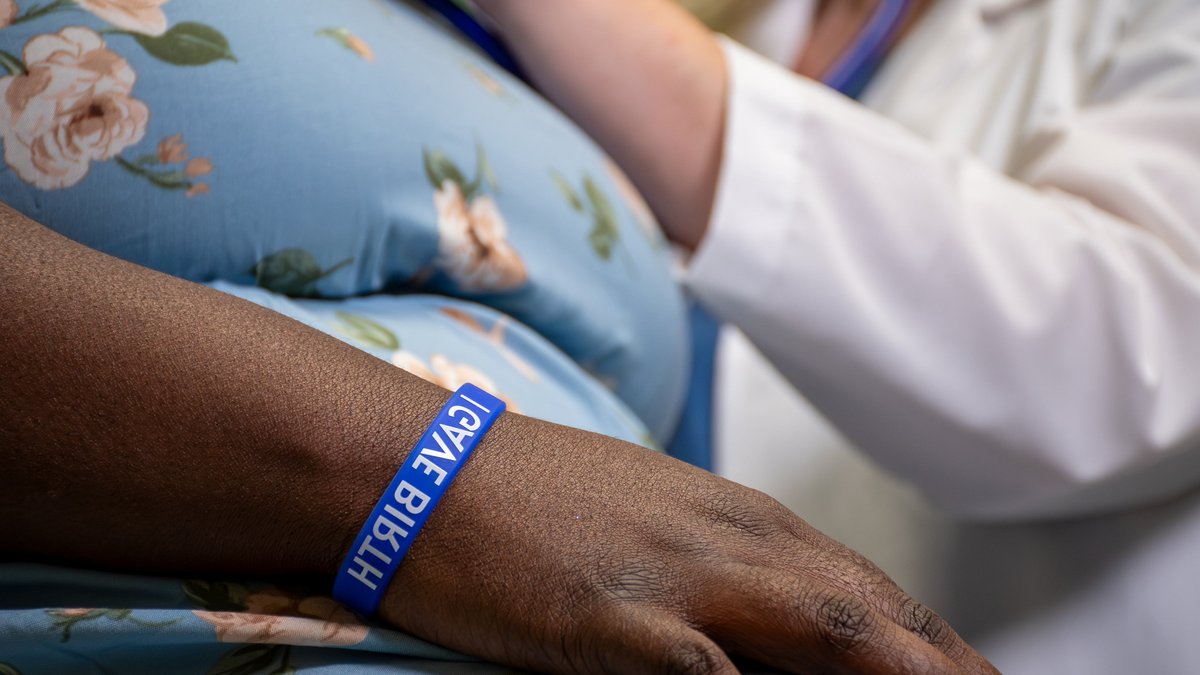
Hospitals across the U.S. are distributing silicone wristbands marked with “I Gave Birth” to help reduce maternal deaths and complications after childbirth. The initiative began at North Carolina’s ECU Health in 2021 and has since expanded to nearly 50 hospitals in the state, as well as the state’s health department. The Connecticut state health department; large health systems in Arkansas, Georgia, and Mississippi; and hospitals in at least 24 other states have also adopted the program.
How the wristbands work
The wristbands act as a visual signal for new mothers and emergency responders. Patients receive instructions to wear them for weeks or months following delivery, a period when nearly 70% of pregnancy-related deaths occur. Many of these deaths happen after the standard six-week postpartum checkup.
Emergency departments and EMS workers often lack training to identify postpartum complications such as infections, low blood pressure, or excessive bleeding. The wristbands aim to highlight these risks, leading to quicker and more appropriate treatment. Hospitals also supply pamphlets and verbal education about warning signs, though the bands serve as the most visible reminder.
Early results and skepticism
North Carolina’s health department reported that postpartum readmissions at ECU Health Medical Center in Greenville fell by nearly a third after the program started, though detailed data was not provided. Some hospitals have claimed the wristbands save lives, but long-term studies remain unavailable.
Hannah Jones, a spokesperson for the North Carolina health department, stated that more research is needed to confirm the outcomes of such initiatives.
Related: Federal Rule Hinders Opioid Fight
The wristbands resemble the yellow Livestrong bands once popularized by cyclist Lance Armstrong’s cancer awareness campaign. They have gained attention through social media and local news coverage, with new mothers in promotional materials praising them as a celebration of childbirth.
The Centers for Medicare & Medicaid Services issued guidance in March urging hospitals to improve emergency protocols for postpartum complications and track progress against state and national data. Funding for maternal health research, however, remains uncertain.
A 2025 law, HR 1, is projected to reduce Medicaid spending by over $900 billion over a decade. Medicaid covers at least 40% of births nationwide, and nearly every state had extended postpartum coverage from 60 days to a full year by 2022. Those extensions may now be at risk as states seek ways to offset Medicaid losses.
Elisabeth Wright Burak, a researcher at Georgetown University’s Center for Children and Families, said the law risks setting back maternal health. A July report she co-authored warned that new work requirements could result in postpartum patients losing coverage if states fail to properly track exemptions for pregnant and new mothers.
U.S. maternal mortality rates have varied in recent years, with 649 deaths recorded in 2024. Tennessee had the highest rate from 2020 to 2024, at 42 deaths per 100,000 births. North Carolina’s rate was 29 per 100,000, above the national average.
Related: Medicaid insurer contracts at stake in governor race
While the wristbands are inexpensive, their effectiveness is unproven. A U.K. study on mass media health campaigns found they often fail to change behavior. In the U.S., the “Back to Sleep” campaign initially reduced sudden infant death syndrome rates but saw progress stall in the early 2000s. A CDC campaign called “Hear Her,” which encouraged women to voice postpartum concerns, faced criticism for placing too much responsibility on patients.
The wristband program’s own study, published by ECU Health in 2023, noted a 0.77% drop in pregnancy-related readmissions at its Greenville hospital. The authors linked the change to education provided to patients, family members, and medical personnel but did not explain how the wristbands contributed.
Tamika Auguste, a physician and the board chair at the American College of Obstetricians & Gynecologists Foundation, praised the wristbands as a useful tool “to increase awareness and education around postpartum health.” But she and others who focus on maternal health said efforts like the wristband campaigns are only part of what’s needed to combat the broader maternal mortality crisis in the U.S.
The wristbands represent one of many small steps hospitals are taking as they confront a crisis without a single answer. Whether these efforts will be enough remains unclear, especially as funding cuts and policy changes threaten progress.


