
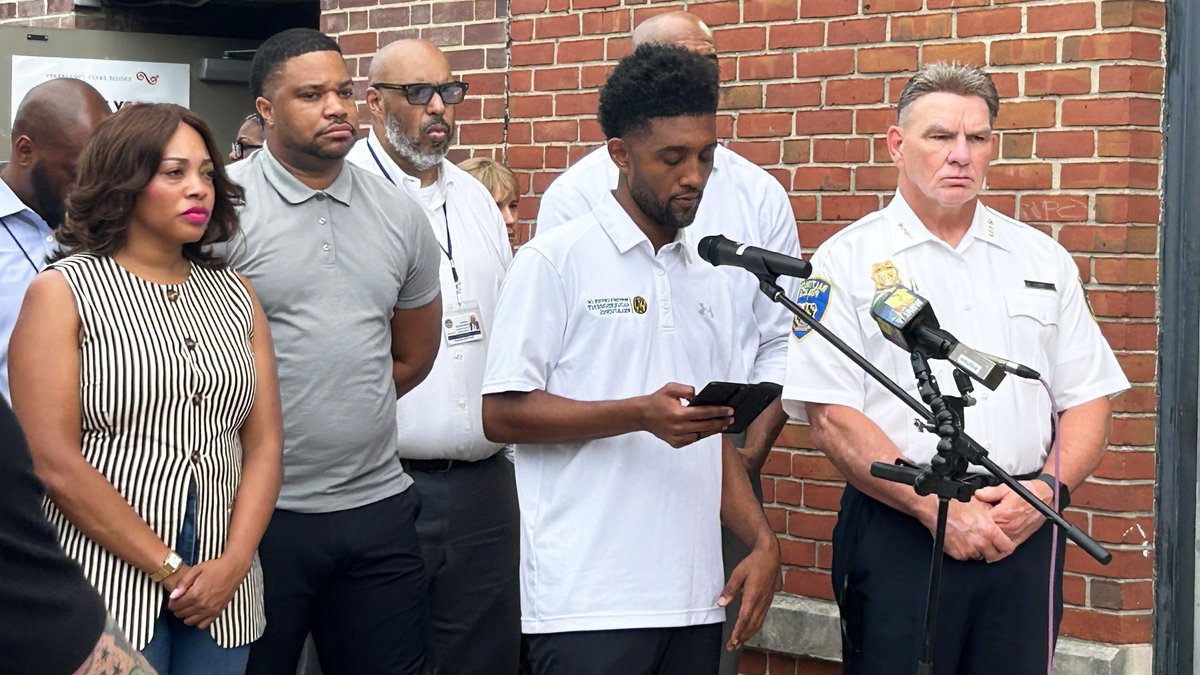
Last year, Baltimore experienced three mass overdose incidents in its Penn North neighborhood, with one incident hospitalizing over two dozen people after they were found unresponsive. The street drugs contained high levels of N-methylclonazepam, a benzodiazepine that operates similarly to Xanax or Valium, which can suppress breathing and increase the risk of overdose when combined with opioids.
Follow-up testing revealed the presence of these harmful substances, prompting the Baltimore Harm Reduction Coalition to create test strips specifically for benzodiazepines. These strips, distributed at clinics and neighborhood events, can detect harmful adulterants such as fentanyl, xylazine, and medetomidine, and are available at no cost.
Candy Kerr, a spokesperson for the coalition, emphasized the importance of having test strips available to the general public, stating that “nobody really knows what they’re getting whenever they’re getting stuff off of the street.” The test strips allow people to test their drugs and make informed decisions about their use.
The strips work by mixing a small amount of the drug with water and then dipping a test strip into the liquid, which will change color if it identifies an adulterant. This simple yet effective method has been used for nearly 10 years to identify adulterants and has been credited with saving lives.
A new federal policy may make it harder for organizations like the coalition to distribute test strips, as the Substance Abuse and Mental Health Services Administration has banned the use of federal grants for this purpose. The policy, announced in late April, also prohibits the use of grants for other harm reduction practices, such as providing clean needles or drug paraphernalia.
According to a letter sent to local health departments and nonprofits, the administration believes that these harm reduction practices “facilitate illicit drug use and are incompatible with Federal laws.” Instead, they want to focus on other techniques, such as giving out naloxone, an overdose reversal drug available as a nasal spray.
Emily Hilliard, an HHS spokesperson, stated that “it is critical that federal funding provided by the American taxpayer goes to effective, common-sense solutions that have been proven to save lives and keep people out of an endless cycle of addiction and moves them into a life of recovery.”
Related: Work rules leave homeless without Medicaid
The new policy does not prohibit federal funds from being used to purchase test strips for use by law enforcement officers, public health officials, EMTs, or other medical professionals. However, this creates an exception for government agencies, while nonprofits will have to find other funding to continue distributing test strips.
Yngvild Olsen, who oversaw SAMHSA’s Center for Substance Abuse Treatment, noted that there is substantial evidence that giving test strips to people who use drugs can change behavior, with some people deciding not to use the substances or taking precautions such as using naloxone.
Candy Kerr expressed concern that the new policy will lead to an increase in overdoses.
The situation in Baltimore highlights the complexities of addressing the opioid crisis, where a combination of approaches, including harm reduction and medication-based treatments, may be necessary to effectively combat the issue.
As the coalition and other organizations support those in need, they will have to find creative ways to continue providing essential services, including test strips, to prevent overdoses and save lives.
They will have to adapt to the new federal policy.


