
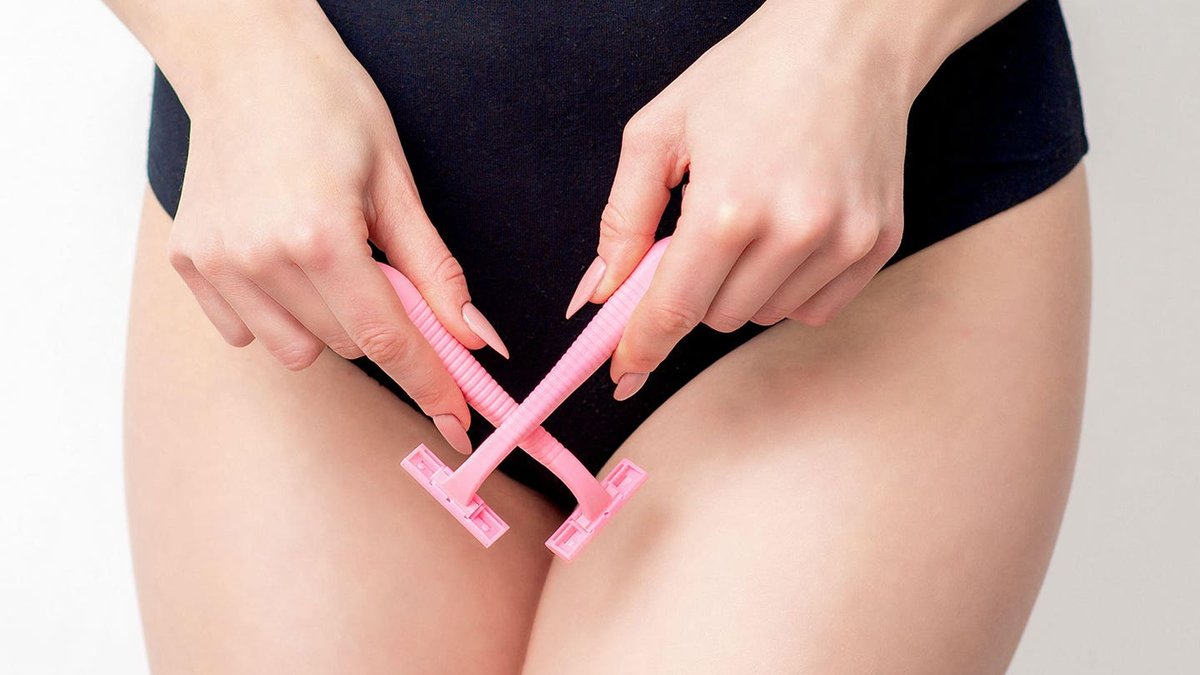
A 40-year-old woman developed aggressive necrotizing fasciitis, a rare and potentially fatal infection, after shaving her perineal area and applying a topical herbal substance in Riyadh, Saudi Arabia. Reported by Ali Bassi, MD, MSc, and Futoon Alsaleh, MD, of King Saud University in the American Journal of Case Reports, the case highlights that Fournier gangrene, a severe form of the infection affecting the perineum and external genitalia, can occur in women without immunodeficiency. The patient, described as having a functioning immune system despite obesity, required a 12-week hospitalization involving multiple surgical interventions and wound care.
Case Details and Contributing Factors
The patient’s exposure to the herbal topical and perineal shaving occurred a week before symptoms began, including progressive left labial pain and swelling, vomiting, and lower abdominal pain. While the specific herbal substance was unidentified, the authors noted that the combination of skin disruption from shaving and application of a non-sterile preparation likely created a portal for polymicrobial infection. Wound cultures later revealed E. coli, Klebsiella pneumoniae, and Enterobacter cloacae, which were treated with a series of antibiotics, including meropenem and amoxicillin-clavulanate.
Approximately 30% of Fournier gangrene cases occur in otherwise healthy individuals, though the mortality rate remains around 40%. The authors emphasized that obesity may mask early symptoms, delaying diagnosis. When it affects women, the condition is often misdiagnosed as a gynecologic issue, potentially slowing critical treatment. Bassi and Alsaleh stressed that clinicians should recognize the disease as a clinical diagnosis rather than one tied to specific demographics, advocating for immediate imaging and aggressive surgical debridement when rapid perineal pain and swelling emerge.
Read Also: Rituximab Raises Inflammatory Bowel Disease Risk in MS
Treatment and Recovery Outcomes
The patient underwent five surgical debridements under anesthesia during the 12-week hospitalization, along with negative-pressure wound therapy and serial dressing changes. An anal fistula discovered during treatment was addressed via fistulotomy, though its role as an infection source remained unclear. Nutritional counseling focused on high-protein intake and rehabilitation services were provided to address gait disturbances from scarring. A planned scar revision surgery was scheduled for one year post-recovery.
Bassi emphasized in an email to the news outlet that the patient’s history of non-medical topical use and shaving, potentially involving unsterilized instruments or contaminated herbal compounds, should be considered contributory, not definitive, causes. While the patient regained functional recovery, mild cosmetic deformity from tissue loss persisted, highlighting the lasting impact of such severe infections.