
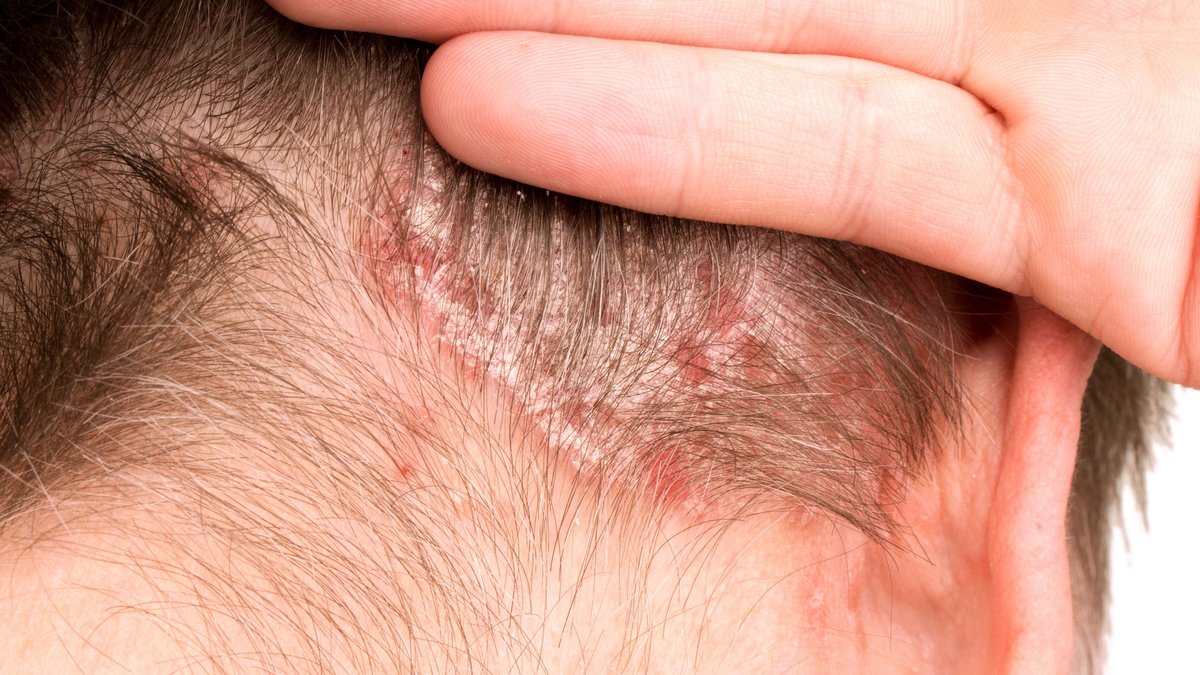
A study comparing two psoriasis treatments reveals that risankizumab delivers superior skin clearance for patients with moderate plaque psoriasis. Published in Dermatology Therapy, the phase 4 IMMpactful trial found that after 16 weeks, risankizumab achieved near-total clearance in over half of participants, whereas deucravacitinib reached comparable results in fewer than one in four. This research fills a notable gap in treatment recommendations, as prior studies on deucravacitinib focused primarily on moderate-to-severe cases, leaving clinicians and patients without direct evidence for those with less severe but still significant psoriasis.
Current guidelines recommend systemic therapy when psoriasis affects more than 10% of the body surface area, involves sensitive regions like the palms or scalp, or fails to respond to topical treatments. Until now, decisions between oral medications and biologics often relied on indirect comparisons rather than head-to-head trials. The IMMpactful trial directly addresses this by evaluating both options in a controlled setting.
The study enrolled 393 adults with moderate plaque psoriasis who had never used biologics. Participants were randomly assigned to receive either risankizumab—administered as two subcutaneous injections four weeks apart—or daily oral deucravacitinib. Eligibility required a body surface area involvement of 10% to 15%, a Psoriasis Area and Severity Index (PASI) score of at least 12, and a static Physician Global Assessment (sPGA) score of 3. The mean age was 47.3 years in the risankizumab arm and 44.8 years in the deucravacitinib arm, with women making up 38.9% and 37.0% of each group, respectively.
Read Also: AI adoption gains traction in oncology practices
Psoriatic arthritis was present in 6.9% of the risankizumab group and 8.4% of the deucravacitinib group. Mean baseline PASI scores were 15.7 and 15.3, mean body surface area involvement was 13.2% and 13.0%, and disease duration averaged 16.1 and 14.1 years. Their average Dermatology Life Quality Index (DLQI) score, which measures disease impact on daily life, was 12.0 and 11.3, respectively. By week 16, risankizumab demonstrated clear advantages across all measured outcomes.
A total of 57.3% of patients on risankizumab achieved a PASI 90, indicating at least a 90% reduction in psoriasis severity, compared to just 22.9% on deucravacitinib. Complete skin clearance (PASI 100) occurred in 27.5% of risankizumab patients versus 6.5% on deucravacitinib. Additionally, 80.2% of risankizumab patients reached an sPGA score of 0 or 1, meaning their skin was clear or nearly clear, while only 39.7% of deucravacitinib patients did so. Patient-reported outcomes mirrored these clinical results.
Sixty-four point one percent of risankizumab patients reported no impact from psoriasis on their quality of life (DLQI 0/1), compared to 30.5% on deucravacitinib. Despite requiring injections, risankizumab received higher ratings for effectiveness, overall satisfaction, and, unexpectedly, convenience, likely due to its shorter dosing schedule. The study’s open-label design and AbbVie’s sponsorship introduce certain limitations. AbbVie, which markets risankizumab, funded the research, and seven of the study’s coauthors are company employees. The authors also noted that the enrolled population was not ethnically representative of psoriasis prevalence.
Read Also: Community Hospitals Expand CAR T-Cell Therapy Access
While week 52 data have since become available, they remain unpublished and could offer further insights. Safety profiles differed between the two treatments. Adverse events occurred in 33.6% of risankizumab patients and 42.9% of those on deucravacitinib. Drug-related events were more common with deucravacitinib (15.3% versus 6.1%), including hypersensitivity reactions (seven cases versus one). Serious adverse events were rare, with only one joint injury reported in the risankizumab group, deemed unrelated to treatment. Two cases of herpes zoster and one nonmelanoma skin cancer were documented in the deucravacitinib arm.
The study’s findings suggest that for patients with moderate psoriasis, the choice between oral and injectable treatments may now hinge on the likelihood of achieving clear skin within four months. While deucravacitinib has shown strong efficacy in prior studies, its performance in this direct comparison indicates that starting with a biologic like risankizumab could be a more effective option for some patients. However, the 16-week data do not clarify whether patients who initially respond poorly to an oral agent might later achieve clearance by switching treatments.


