
Washington, D.C. plans to redirect millions in opioid settlement funds to cover a recurring Medicaid expense, a decision that has drawn criticism from addiction recovery advocates and the commission overseeing the money’s use.
The district’s fiscal 2027 budget proposes allocating about $2.3 million from its opioid settlement to pay its Medicaid contribution and another $5.5 million to support addiction treatment centers previously funded through the general budget. The change maintains current spending levels on treatment rather than increasing them.
The opioid payouts originated from lawsuits against companies that manufactured or distributed prescription painkillers, which were accused of worsening the overdose crisis. Over $50 billion will be distributed to state and local governments over nearly two decades, with D.C. expected to receive more than $100 million.
The funds were designed to expand services and launch new programs addressing addiction. However, as financial pressures grow due to inflation, federal funding cuts, and rising costs, some officials have turned to the settlement money as a temporary solution. This approach has faced opposition from those who believe the funds should be used as originally intended.
“These funds were awarded to D.C. for specific purposes and with a clear mandate—to address the opioid crisis in new ways,” said Queen Adesuyi, a partner at Reframe Health and Justice, a consulting group for community-based organizations. Adesuyi and others argue the budget shift ignores the settlement’s purpose.
A letter signed by over 80 individuals and 30 organizations described the move as an attempt by the Department of Behavioral Health to “pay off its own debts.” The letter was sent to DBH Director Barbara Bazron, Councilmember Christina Henderson, and Attorney General Brian Schwalb.
Chad Jackson, who chairs the district’s Opioid Abatement Advisory Commission, called the budget shift “supplantation,” where one funding source replaces another to free up dollars elsewhere. “If the opioid settlement funds were not available, these expenses would still be covered because they must be,” he said.
The district’s opioid litigation law explicitly states that settlement money “shall supplement, and not supplant” existing funding. “The law is clear: Do not replace other funds with this money,” said Shelly Weizman, associate director of the Center on Addiction and Public Policy at Georgetown Law’s O’Neill Institute.
Related: Listen to the Latest KFF Health News Minute
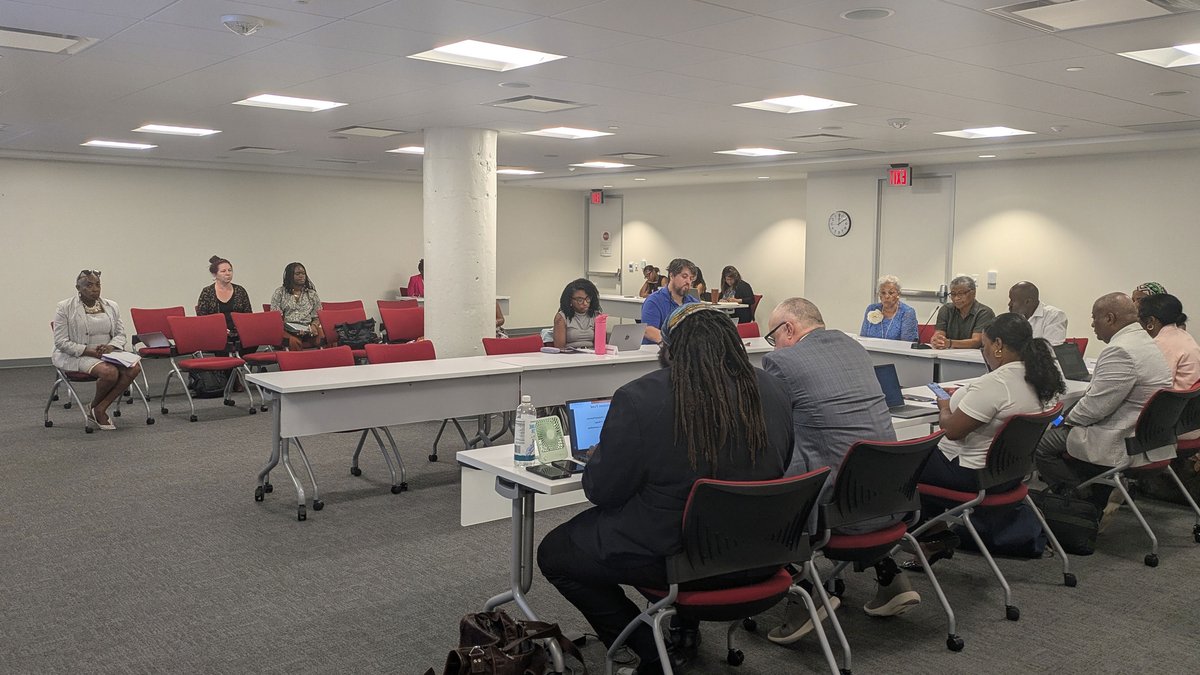
Adesuyi said the council’s actions disregard those affected by the crisis. At the July 15 meeting of the Opioid Abatement Advisory Commission, advocates spoke against the city’s use of opioid settlement dollars to fill budget holes.
Councilmember Henderson and Attorney General Schwalb were among those who weighed in on the issue.
DBH spokesperson Denise Reed defended the budget, stating the department is “committed to compliance with all statutory requirements governing opioid settlement funds.” She noted the council approved the budget in June.
The budget now awaits a 30-day congressional review, the final step in D.C.’s annual budgeting process. While the city argues the funding supports addiction-related efforts, critics say the shift weakens the settlement’s original intent, especially as overdose deaths remain a critical issue.
If other jurisdictions adopt this approach, a one-time infusion of crisis-specific money could become a recurring budget item. That would reduce resources for the programs the settlements were meant to establish, at a time when demand for them is rising.
The dispute highlights a broader challenge: balancing immediate financial needs with long-term public health priorities.
For now, the conflict continues, with advocates demanding greater transparency and officials defending their decisions.
Disabled residents worry the shift could further strain services they rely on. Legal protections for these communities remain a key concern as funding debates unfold.


