
The treadmill market in 2026 provides more options than ever, with models designed for everything from casual jogging to marathon training. Prices, features, and durability vary widely, but one development is clear: these machines are no longer just stationary slabs with a belt. Many now include interactive streaming classes and entertainment systems to keep runners engaged.
Changes in 2026
Manufacturers have prioritized energy efficiency while expanding versatility. Some treadmills now act like personal trainers, adjusting workouts in real time based on performance data. The Urevo CyberMega is the first treadmill designed specifically for marathon training.
Folding designs have also improved. Models like the Echelon Stride-6 and Horizon T101 can be stored in small spaces, though some still require professional assembly due to their weight. Insurance coverage has grown as well—many plans now permit treadmill purchases using flexible spending account dollars.
Top models
The NordicTrack Commercial 1750 remains the best all-around choice for most runners. Its 60-inch belt accommodates tall users, and the cushioning balances joint protection with responsiveness. The 16-inch touchscreen is positioned for easy access, though the cup holders could be deeper. Speed adjustments are smooth but lack quick keys for 10 and 11 mph, which may frustrate interval training.
NordicTrack’s iFit program is the main attraction. The app automatically adjusts incline and speed during workouts, simulating real-world terrain. Testers found this feature useful for long runs, though the motor’s noise might disturb light sleepers in shared spaces. The built-in Netflix integration offers a welcome distraction for those who prefer entertainment over metrics.
For budget-conscious buyers, the Horizon T101 delivers solid performance at $600. Its three-zone cushioning system provides targeted support, and the compact design folds easily with a hydraulic assist. The lack of a screen is balanced by compatibility with Strava and Peloton. Speed and incline adjustments are sensitive—one notch changes the pace, requiring some adjustment.
Related: Daylight Saving Shift Impacts Morning Runners
The Horizon 7.0 AT is a step up for serious runners. Its 60-inch deck suits long strides, though the 20-inch width may feel narrow for some. The treadmill syncs with Peloton, displaying metrics directly on the console. Knobs on the handlebars allow speed adjustments mid-run, though there’s a slight lag when decreasing pace. At around $1,000, it offers strong value for those who prioritize comfort over flashy features.
Marathoners now have the Urevo CyberMega. The machine’s compact design hides its durability, though the 52-inch deck may be too short for runners over six feet tall.
For households with multiple runners, the NordicTrack 2450 provides a spacious 22-by-60-inch deck and speeds up to 14 mph. The iFit integration remains a major draw, with thousands of workouts and marathon courses available. Assembly is difficult, but the machine’s stability and cushioning justify the effort.
The ProForm Carbon TLX is a straightforward workhorse. Its 60-by-20-inch deck offers ample room, though taller runners might drift toward the console. Speed adjustments are quick, and the 12% incline adds challenge. The fan placement improves airflow compared to most models. At its price, it’s a dependable choice for beginners or those who prefer simplicity.
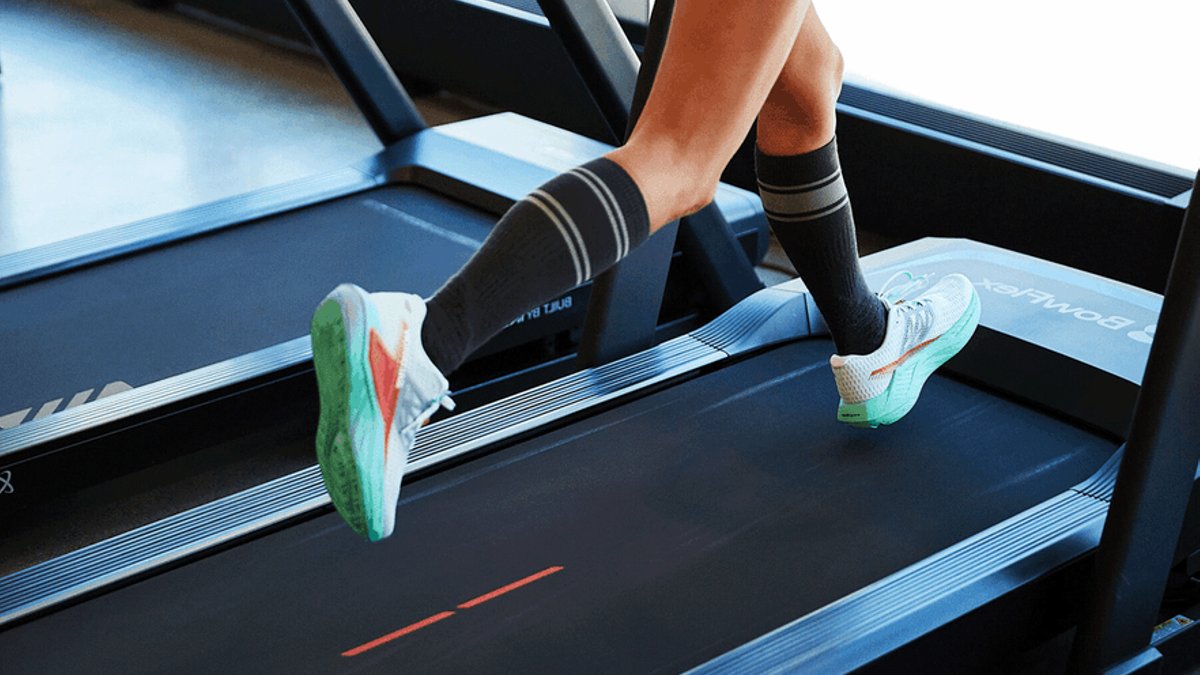
The Bowflex T9 stands out for its red center line, helping runners maintain their position on the belt. The running surface is firm yet comfortable, and the foldable design is easy to store. Speed and incline adjustments are slow, which may frustrate interval runners, but app compatibility—including Peloton, Zwift, and Apple Fitness+—compensates for this.
The Echelon Stride-6 impressed one tester enough to keep it after evaluating dozens of models. Its 20.5-by-60-inch deck feels larger than expected, and the firm cushioning mimics road running. The 3.0 CHP motor is quiet, and the fold-flat design fits under a bed or behind a curtain. The lack of a built-in display is offset by the Echelon app’s engaging classes, though the machine’s weight makes it difficult to move alone.
Buying considerations
Stride length matters. Runners over six feet tall should avoid models with decks shorter than 60 inches. Cushioning preferences differ—some want a softer feel for joint protection, while others prefer a firmer surface that resembles outdoor running. Entertainment features, like built-in screens or app compatibility, can make workouts more engaging, but they often come with subscription fees.
Weight limits are important. Most treadmills support up to 300 pounds, but some, like the Bowflex T9, accommodate 350 pounds. Noise levels can also be a concern, especially in apartments or shared spaces. Folding mechanisms add convenience but may require professional installation.
Physical therapist Allison Greer explains that treadmills offer predictability, which helps with injury recovery or structured training. However, they lack the varied terrain of outdoor running, which can lead to overuse injuries like Achilles tendon strain. Greer advises holding the handrails during speed changes and warming up gradually to avoid overexertion.
Safety is critical. Treadmills should be installed on stable floors with at least three feet of clearance behind them. Ceiling height should be at least 15 inches taller than the user’s height. Unplugging the machine when not in use prevents accidental starts, a leading cause of child injuries.
For those who prefer walking, the Go Plus under-desk walking pad provides a low-impact alternative. It’s quiet, lightweight, and fits under standing desks, though its narrow deck may feel restrictive.
Testing for this guide involved months of use by Runner’s World editors, including marathon training and interval workouts. Each treadmill was evaluated for comfort, speed adjustments, noise levels, and ease of use. Customer service and setup experiences were also considered, as assembly can be a significant hurdle.
The market now caters to specific needs, whether for marathon training, casual jogging, or walking while working. The right choice depends on individual priorities—budget, space, and training goals all play a role. What remains constant is the core benefit: a reliable way to run, regardless of weather, without leaving home.