
Hospice care in California faces a credibility crisis as federal and state authorities tighten oversight amid allegations of widespread fraud.
Regulators impose new restrictions
In May, the Centers for Medicare & Medicaid Services announced a six‑month national moratorium on hospice provider enrollment in Medicare. The move targets states with “raised fraud risk,” including California, Arizona, Georgia, Nevada, Ohio and Texas. A spokesperson said the step was needed because state inaction allowed abuse to grow, but assured that roughly 7,000 hospices remain approved nationwide. The crackdown aims to preserve the quality of care patients near the end of life deserve.
Regulators act quickly.
California’s Attorney General called hospice fraud an “epidemic” last year and has enforced a state‑level moratorium on new hospice licenses since 2021. Recent emergency regulations, effective late June, tighten prescreening of license applicants, require higher nurse‑to‑patient ratios and set minimum qualifications for management.
Related: Trump quietly weakens agency focused on healthcare safety
Impact on patients and providers
Experts warn that the heightened scrutiny could deter referrals and discourage patients from seeking hospice services. Lauren Hunt, an associate professor at UCSF’s Philip R. Lee Institute for Health Policy Studies, said the fraud situation “has done a lot of damage to the reputation of hospices overall” and risked undoing progress in destigmatizing hospice. She urged policymakers to focus on “targeted strategies that root out fraud and abuse without overburdening the many providers who are doing the right thing.”
California hosts the most hospice organizations of any state—approximately 2,800 as of 2022—while the national total stood at about 5,800. The sheer number of providers makes oversight challenging.
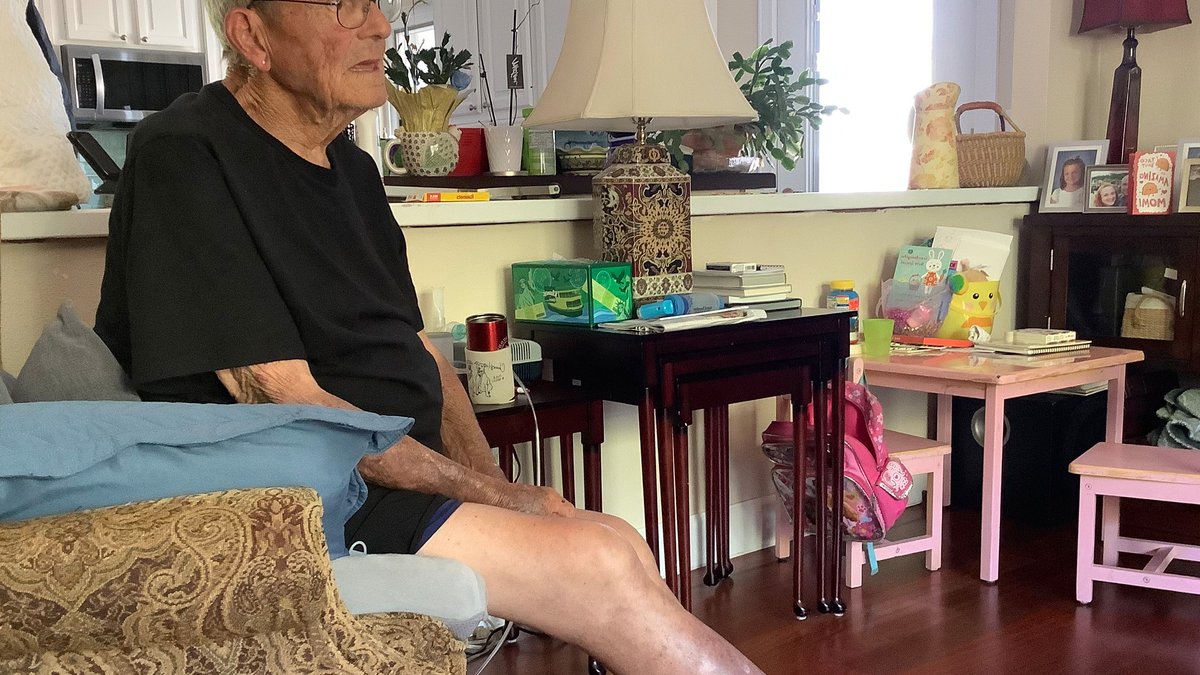
For patients like Mark Vantrease, a 76‑year‑old former truck driver in Novato, hospice remains a lifeline. Diagnosed with heart failure, lung disease and liver damage, he entered hospice in June 2025 under Medicare coverage. He receives regular visits from a nurse in his home, and he recalls the care his unit received in Vietnam, saying, “We used to call them guardian angels because they took such great care of you.”
Hospice’s financial impact on Medicare remains significant. A 2023 University of Chicago study commissioned by industry groups estimated that Medicare patients who used hospice instead of hospitals saved taxpayers over $3 billion in 2019. The findings suggest that, despite fraud concerns, the sector can reduce overall health‑care expenditures.
Related: Top treadmills to watch in 2026
While regulators aim to protect taxpayers, the industry’s unique vulnerability stems from historically lax licensing and oversight. As the population ages into Medicare, spending is expected to rise sharply over the next decade, heightening the stakes for both fraud prevention and maintaining access to quality end‑of‑life care.
The new regulations may help, but experts stress the need for ongoing monitoring. Hunt warned that “the broader impact on the industry should be closely monitored, particularly to ensure that well‑intentioned, high‑quality providers are not placed under undue strain or forced to close.”
Patients and families must now assess hospice options more carefully, balancing the need for fiscal responsibility with the desire for compassionate care.


