
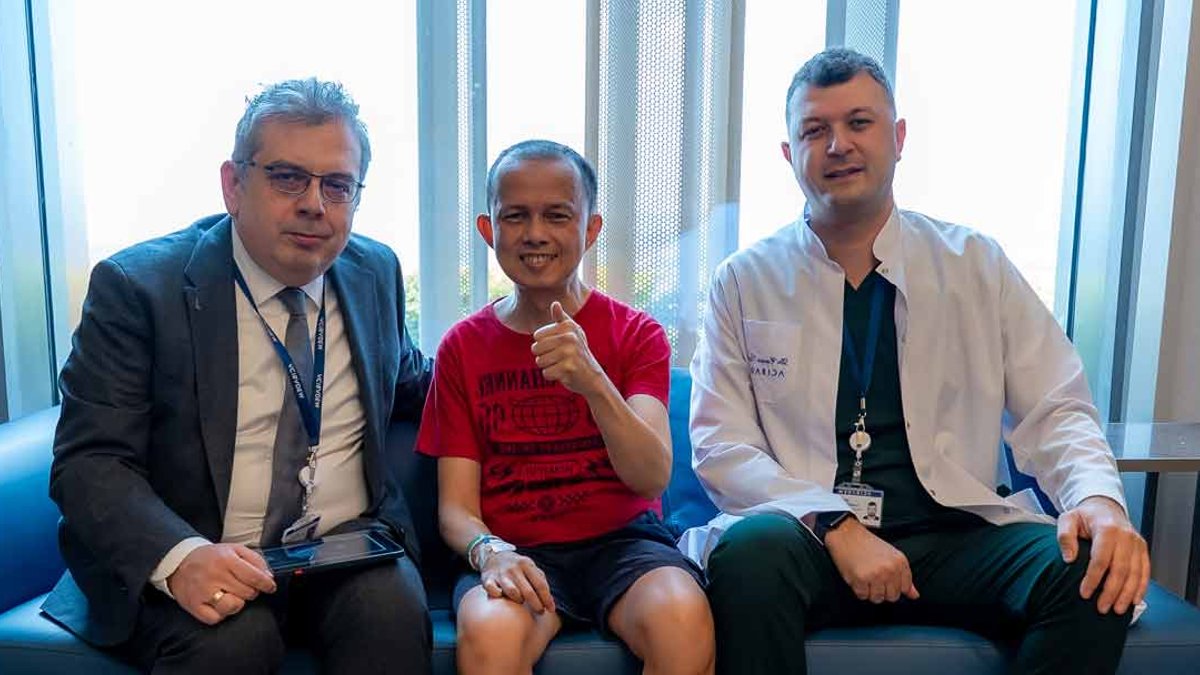
Bani Reza, a former IT architect from London, was diagnosed with Parkinson’s disease in September 2020. He experienced common symptoms such as bradykinesia, stiffness, and tremor, which affected his daily life. Reza says, “You can’t sleep, you can’t watch TV, and you can’t relax. You can’t even go out for a meal.”
After the initial diagnosis, Reza was prescribed medication, which helped for the first two years. However, the symptoms worsened over the next three years, making it difficult for him to manage his daily life. His neurologist in the UK presented him with several options, including Deep Brain Stimulation (DBS) surgery.
Considering DBS Surgery
Reza started researching DBS surgery and decided it might be the best option for him. DBS involves placing a wire electrode in a specific area of the brain and implanting a stimulator under the skin near the collarbone. The stimulator sends electrical impulses to the electrode, helping regulate abnormal signals in the brain that cause Parkinson’s disease symptoms.
Reza had two main alternatives for the surgery: returning to Malaysia, where he was born, or having the surgery in the UK. However, the 13-hour flight to Malaysia was a concern, and the waiting time for the surgery in the UK was approximately two years. Reza did not want to wait that long and started looking for other options.
He found the official Health Ministry of Türkiye website and searched for hospitals in İstanbul. Reza filtered his search based on criteria such as university hospitals and professors in neurosurgery. He narrowed down his options to six hospitals and contacted them. The international representative from Acıbadem Hospital was responsive and answered all his questions, making Reza prefer Acıbadem for his surgery.
Related Post: UCLA Health’s Single-Session Lung Cancer Diagnosis and Treatment
Acıbadem’s Expertise in Neurosurgery
Acıbadem Healthcare Group has been serving patients for 35 years, and its Neurosurgery Clinic is a globally recognized leader in its field. Professor Hayri Kertmen, a neurosurgeon at Acıbadem, has worked on the treatment of movement disorders such as Parkinson’s disease for over 15 years and has helped hundreds of patients. Reza was one of them, experiencing gait disturbance, hand tremors, muscle stiffness, and slowness of movement.
After a thorough evaluation, Acıbadem’s neurosurgeons and neurologists determined that DBS surgery could help alleviate Reza’s symptoms. The procedure was planned and successfully performed. Reza’s symptoms were alleviated, and he could move independently again. He no longer needed support to walk and was able to enjoy life once more.
Reza’s muscle stiffness and slowed movements decreased significantly after the surgery, allowing him to perform daily tasks with ease. He was able to walk smoothly and eat easily again, which greatly improved his overall well-being. The success of the DBS surgery has given Reza a new lease on life, and he is now looking forward to returning to his country and resuming his daily activities.
Professor Hayri Kertmen and his team at Acıbadem Hospital played a significant role in Reza’s treatment. They have extensive experience in treating movement disorders, including Parkinson’s disease. The team’s expertise and the hospital’s state-of-the-art facilities made Reza feel confident in his decision to undergo DBS surgery at Acıbadem.
Life After DBS Surgery
After the surgery, Reza was able to regain his independence and resume his daily activities. The reduction in his muscle stiffness and slowed movements significantly improved his overall well-being.